
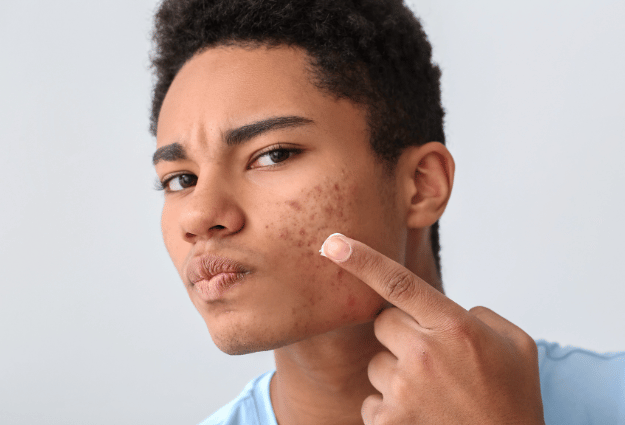
Teenage acne affects up to 85% of adolescents, making it one of the most common skin concerns during the teen years. This condition occurs when hair follicles become clogged with dead skin cells and excess oil, leading to various types of blemishes. Teen acne can significantly impact self-esteem and daily life, but the good news is that effective acne treatment options are available that can help manage and clear breakouts. Whether dealing with occasional red bumps or more persistent acne vulgaris, understanding the right approach to skin care and acne treatment can make a substantial difference in achieving clearer skin.
TLDR: Key Takeaways
- Most teen acne responds well to over-the-counter treatments containing benzoyl peroxide, salicylic acid, or adapalene gel when used consistently
- Results take time—most acne products require 4-8 weeks of regular use before visible improvement
- A simple routine works best—a gentle cleanser, appropriate acne treatment, and non-comedogenic moisturizer
- Professional help is available online—MyInstantMD offers affordable prescription treatments for moderate to severe acne when over-the-counter options aren’t enough
Get Fast, Affordable Acne Treatment for Your Teen
Struggling with teenage acne that won’t respond to drugstore products? MyInstantMD makes it easy to get acne treatment online without the wait or hassle of traditional appointments. Our board-certified providers review your teen’s information and create a personalized treatment plan—including prescription medications if needed—all for just $59.99. Get your customized acne treatment plan in minutes and have prescriptions sent directly to your preferred pharmacy. Get started with MyInstantMD today.
Understanding Teen Acne: Why It Happens
Acne occurs when pores become blocked by a combination of sebum production, dead skin cells, and acne causing bacteria. During adolescence, hormonal changes trigger increased oil production in the skin, which contributes to clogged pores and creates an environment where bacteria can thrive. According to the American Academy of Dermatology, acne is the most common skin condition in the United States, affecting teens at higher rates than any other age group.
The skin’s surface constantly sheds cells, but when these cells mix with excess oil, they can plug hair follicles. This creates the perfect conditions for inflammation and bacterial growth, resulting in the various types of acne blemishes that teens experience.
Types of Acne Common in Teens
Teen acne can present in several forms, ranging from mild to severe:
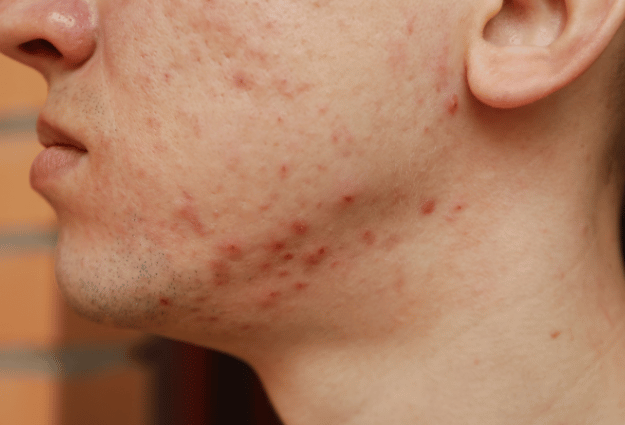
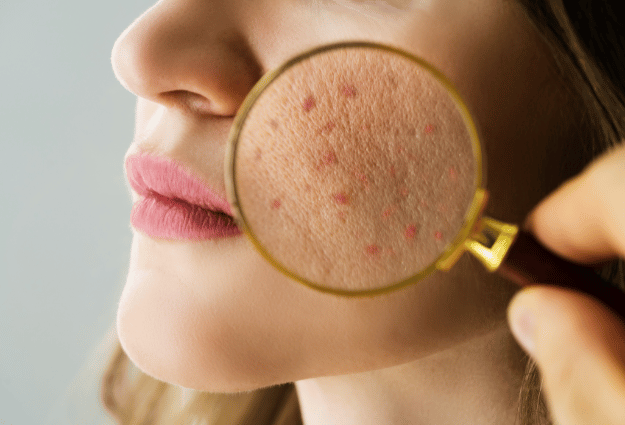
Mild acne typically includes blackheads and whiteheads, which form when pores are only partially blocked. These are the most common types of acne-prone skin issues.
Moderate acne involves more inflammation, with red bumps (papules) and pus-filled bumps (pustules) appearing regularly on the face, chest, or back.
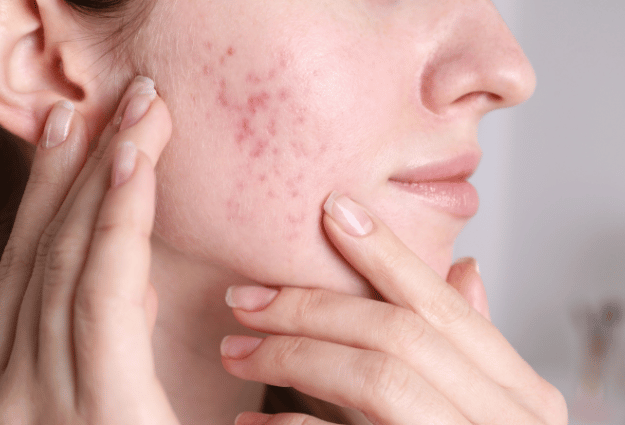
Severe acne includes deep, painful cysts and nodules that can lead to scarring and dark spots if left untreated. This type often requires prescription treatments from a healthcare provider.
Best Treatment Options for Teenage Acne
Over-the-Counter Acne Medications
For many teens, the best treatment starts with consistent use of over-the-counter acne products containing proven active ingredients. Research shows that several ingredients are particularly effective at managing acne:
Benzoyl Peroxide works by killing acne-causing bacteria and helping to remove excess oil from pores. It’s available in concentrations from 2.5% to 10%, though starting with a lower concentration can minimize skin irritation. Apply a thin layer to affected areas once or twice daily.
Salicylic Acid is a beta-hydroxy acid that helps unclog pores by breaking down the bonds between dead skin cells. It’s particularly effective for treating blackheads and whiteheads. Look for cleansers or leave-on treatments containing 0.5% to 2% salicylic acid.
Adapalene Gel (0.1%) is a topical retinoid that was previously prescription-only but is now FDA-approved for over-the-counter use. Topical retinoids work by increasing cell turnover and preventing clogged pores from forming. Apply once daily at bedtime.
Azelaic Acid offers multiple benefits: it reduces inflammation, kills bacteria, and helps fade dark spots left behind by previous breakouts. It’s particularly helpful for teens with sensitive skin who can’t tolerate other acne medications.
Prescription Acne Treatments
When over-the-counter options don’t provide adequate results after several weeks of consistent use, prescription treatments may be necessary to treat acne effectively. These stronger acne medicines include:
Topical Antibiotics help reduce acne-causing bacteria and inflammation. They’re often combined with benzoyl peroxide to prevent bacterial resistance.
Oral Antibiotics may be prescribed for moderate to severe acne that covers larger areas of the body or doesn’t respond to topical treatments alone.
Retinoid Creams at prescription strength (like tretinoin or tazarotene) are more potent than over-the-counter options and can clear acne more effectively in stubborn cases.
Birth Control pills can help teenage girls whose acne is primarily hormonal. Medical experts recommend this option when acne worsens with menstrual cycles. MyInstantMD offers birth control options that may help with hormonal acne management.
Oral Isotretinoin is reserved for the most severe acne cases that don’t respond to other treatments. This powerful medication requires careful monitoring due to potential birth defects and other side effects.
Building an Effective Skin Care Routine
A consistent daily routine is essential to prevent acne and maintain results from acne treatment:
Morning Routine
- Wash with a gentle cleanser formulated for acne-prone skin
- Apply acne medication as directed
- Use a non-oily moisturizer to prevent dry skin
- Apply oil-free sunscreen (skin cancer prevention is important, and some acne medications increase sun sensitivity)
Evening Routine
- Remove hair products and makeup with a gentle face wash
- Apply a prescription or over-the-counter acne product
- Moisturize with a non-comedogenic moisturizer
What to Avoid When Treating Teen Acne
Certain habits and products can worsen acne or interfere with treatment effectiveness:
- Avoid facial scrubs and harsh exfoliants, which can irritate skin and make acne worse
- Don’t pick or squeeze blemishes, as this increases inflammation and can lead to scarring
- Limit heavy hair products that can transfer to the skin and clog pores
- Skip oil-based cosmetics and look for “non-comedogenic” labels instead
- Reduce stress through regular exercise, adequate sleep, and relaxation techniques
If you’re also dealing with other skin conditions such as eczema or rosacea, it’s important to tailor your treatment plan accordingly, as some acne medications may irritate these conditions.
Setting Realistic Expectations
One of the most important things to understand about any acne treatment is that results don’t happen overnight. Most acne medications work gradually, and you may not see improvement for 4 to 8 weeks. Some teens even experience a temporary increase in breakouts as their skin adjusts to new treatments—this is normal and usually subsides within a few weeks.
Consistency is key. Using treatments sporadically or switching products too quickly prevents them from working effectively. Stick with your treatment plan for at least 8-12 weeks before determining whether it’s working.
The goal is to prevent new pimples from forming while existing ones heal. With patience and the right approach, most teens can achieve significant improvement and clearer skin.
When to Seek Professional Help
While many cases of teen acne respond well to over-the-counter options, some situations call for professional medical evaluation:
- Acne that doesn’t improve after 8-12 weeks of consistent treatment
- Severe acne with deep, painful cysts
- Acne that’s causing significant emotional distress or affecting daily activities
- Signs of scarring or persistent dark spots
- Acne covering large areas of the body
MyInstantMD makes it convenient and affordable to get professional acne treatment without lengthy waits or expensive office visits. Our providers can evaluate your teen’s skin and prescribe appropriate medications when needed.
Frequently Asked Questions About Acne Treatment for Teens
Why does my acne get worse before it gets better?
When you start using certain acne medicines, particularly retinoid creams, your skin may temporarily break out more. This happens because these products accelerate cell turnover, bringing underlying congestion to the surface faster. This “purging” phase typically lasts 2-4 weeks. If acne worse continues beyond several weeks, consult a healthcare provider, as you may need to adjust your treatment approach or check if other treatments would be more suitable.
How do I know if I need prescription acne medications?
If over-the-counter acne products haven’t cleared your skin after consistent use for 8-12 weeks, or if you have more severe acne with deep, painful nodules, prescription treatments are likely needed. Many acne medications available by prescription are more potent and can address stubborn cases. Signs that many acne medications work include fewer new breakouts and reduced inflammation, but if you’re not seeing these improvements, it’s time to consider prescription options.
Can hormonal treatments help my teenage daughter’s acne?
Yes, hormonal treatments like certain birth control pills can be effective for teenage girls with acne that flares with their menstrual cycle. These medications work by regulating hormones that influence sebum production and inflammation. However, it’s important to note that hormonal contraceptives carry potential risks, including birth defects if pregnancy occurs while taking them (though they prevent pregnancy when used correctly). A healthcare provider can help determine if this is an appropriate option.
Should I apply acne medication to my entire face or just to blemishes?
Most dermatology association guidelines recommend applying acne treatment to the entire face (or affected area) rather than spot-treating individual blemishes. This approach helps prevent new breakouts from forming in areas that look clear but may have microscopic congestion. Use a thin layer over the whole treatment area, avoiding only the delicate skin around your eyes and lips. This strategy is more effective than waiting for acne blemishes to appear before treating them.
Why can’t I use facial scrubs if I have acne?
While it might seem logical to scrub away acne, avoid facial scrubs because they can damage the skin’s protective barrier and increase inflammation. Physical exfoliation with harsh scrubs irritates acne-prone skin, potentially causing micro-tears that allow acne bacteria to spread. Instead, rely on chemical exfoliants like salicylic acid or retinoids, which gently dissolve dead cells without mechanical abrasion. Your skin will typically show improvement (acne clears better) with gentle chemical exfoliation rather than aggressive scrubbing.
How long does it take for acne to clear completely?
The timeline varies depending on acne severity and the treatments used, but most people see noticeable improvement within 4-8 weeks of starting treatment. Complete clearing often takes several weeks to several months of consistent care. Even after your skin clears significantly, continuing your treatment plan is important to prevent new breakouts. Remember that acne medications work best with patience—switching products too frequently prevents them from reaching their full effectiveness. Once acne clears, many people continue with a maintenance routine to keep skin clear long-term.