
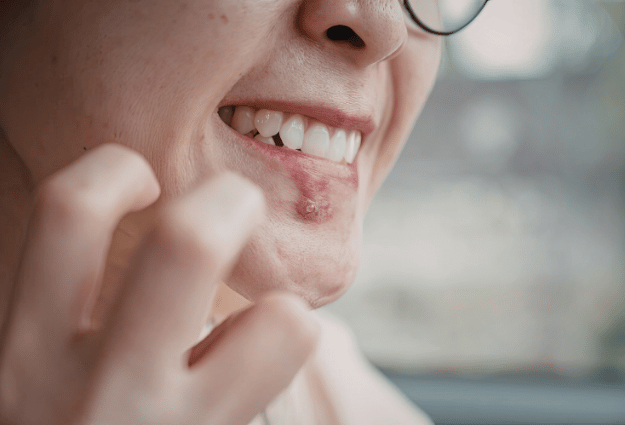
Cold sores are small, painful blisters that typically appear around the mouth and lips, caused by the herpes simplex virus. If you’re dealing with a cold sore outbreak, you’re not alone—millions of people experience these recurring infections each year. The best treatment for cold sores combines prescription antiviral medicine with proper self-care to speed up the healing process and reduce discomfort. While cold sores usually heal on their own in one to two weeks, early treatment with antiviral medications can significantly shorten healing time and reduce the severity of symptoms.
TLDR: Key Takeaways
- Prescription antiviral tablets and topical medication are the most effective treatments for cold sores, especially when started at the first sign of an outbreak
- Cold sores are caused by herpes simplex virus type 1 (HSV-1) and are highly contagious through skin-to-skin contact
- Early treatment matters—starting antiviral medicine when you feel tingling can prevent blisters from fully developing
- Home remedies like cold compress, aloe vera gel, and lip balm can provide pain relief while sores heal
Get Fast Cold Sore Treatment Online
Don’t let a cold sore outbreak slow you down. At MyInstantMD, you can get cold sore treatment online quickly and affordably—no waiting room required. Our board-certified providers review your information and provide a personalized treatment plan, including prescriptions sent directly to your preferred pharmacy. Get started for just $59.99 and receive care within minutes.
What Are Cold Sores?
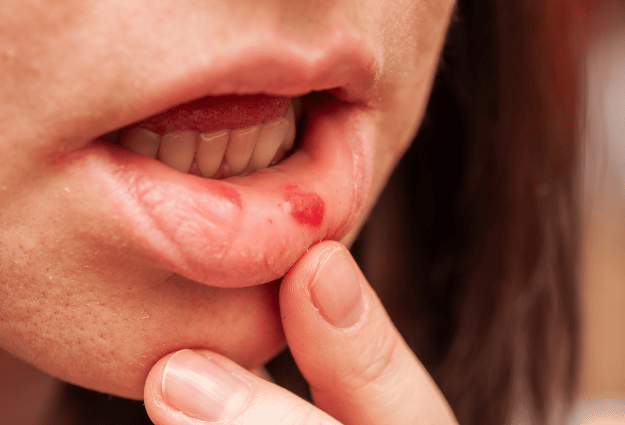
Cold sores, also called fever blisters, are small blisters that form around the lips, mouth, or nose. These painful mouth sores are caused by a virus called herpes simplex, specifically herpes simplex virus type 1 (HSV-1) in most cases. According to the Centers for Disease Control and Prevention, HSV-1 is extremely common, affecting a significant portion of the population.
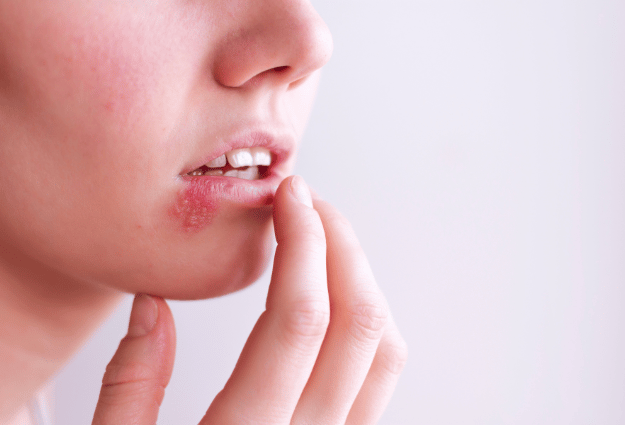
When a cold sore appears, it typically goes through several stages: starting with a tingling sensation, then developing into fluid-filled blisters, crusting over, and finally healing. The entire cycle usually takes one to two weeks before the sore is completely healed.
It’s important to note that canker sores are different from cold sores. Canker sores appear inside the mouth and are not caused by the herpes simplex virus, while cold sores appear on the outside of the mouth and are caused by herpes simplex infection.
Understanding the Herpes Simplex Virus
The simplex virus that causes cold sores remains in your body for life after the initial infection. Most people contract HSV-1 through close contact during childhood, often from a family member with an active cold sore. The virus lives dormant in nerve cells and can reactivate periodically, leading to new outbreaks.
While herpes simplex type 1 typically causes oral herpes, it’s worth noting that HSV-1 can also cause genital herpes through oral sex. Conversely, HSV-2 usually causes genital infections but can occasionally affect the mouth. If you’re concerned about genital symptoms, you can seek genital herpes treatment through online medical services.
What Causes Cold Sores?
Cold sores are caused by the herpes simplex virus, but several triggers can cause the dormant virus to reactivate. Understanding what causes cold sores can help you prevent future outbreaks.
Common Triggers for Cold Sore Outbreaks
Stress and Illness: A cold or other illness can trigger an outbreak, especially when your immune system is fighting off infection. Stress reduction techniques may help minimize outbreaks.
Sun Exposure: UV rays can trigger cold sore outbreaks in many people. Using lip balm with SPF protection can help prevent sun-induced outbreaks.
Weakened Immune System: People with compromised immunity may experience more frequent and severe outbreaks.
Hormonal Changes: Fluctuations in hormones, particularly during menstruation or pregnancy, can trigger the virus to reactivate.
Fatigue and Physical Stress: Lack of sleep and physical exhaustion can compromise your general health and trigger outbreaks.
How Cold Sores Spread
Cold sores contagious periods begin before the blister even appears and continue until the sore is completely healed. The virus spreads through skin to skin contact, including kissing, sharing utensils, towels, or lip balm with someone who has an active cold sore.
According to Mayo Clinic, you should avoid close contact with others when you have a cold sore outbreak to prevent transmission. Cold sores affect not only the mouth area—the virus can spread to other parts of the body, including fingers (causing herpetic whitlow) or eyes, which can be serious.
Special precaution should be taken around newborn babies, as herpes simplex infection can be dangerous for infants with developing immune systems.
Best Medical Treatments for Cold Sores
The most effective way to treat cold sores is with prescription antiviral medicine. These medications work by stopping the virus from replicating, which shortens healing time and reduces the severity of symptoms.
Prescription Antiviral Medications
Antiviral Tablets: Oral antiviral medications are the gold standard for treating cold sore outbreaks. According to the American Academy of Dermatology, prescription antivirals taken at the first sign of a cold sore coming can significantly reduce healing time.
Common prescription options include:
- Acyclovir
- Valacyclovir
- Famciclovir
These antiviral tablets work best when taken early—ideally when you feel tingling or notice the first symptoms. Early treatment can sometimes prevent the blister from fully forming.
Topical Antiviral Medications: While oral medications are generally more effective, prescription antiviral creams and antiviral ointments can also help when applied at the earliest stages of an outbreak. These work best for mild outbreaks.
When to Use Prescription Treatment
If you experience frequent or severe outbreaks, your healthcare provider may recommend suppressive therapy—taking antiviral medicine daily to prevent outbreaks from occurring. This approach is particularly helpful for people who get cold sores treated multiple times per year.
Over-the-Counter Treatments
While not as effective as prescription antivirals, over-the-counter options can provide pain relief and support the healing process.
OTC Antiviral Creams
Docosanol (Abreva) is an FDA-approved over-the-counter antiviral cream that can shorten healing time when applied at the first sign of a cold sore. Like prescription treatments, it works best when used early.
Pain Relievers and Symptom Management
Pain relievers such as ibuprofen or acetaminophen can help manage discomfort during an outbreak. These don’t treat the virus itself but can make you more comfortable while the sore heals.
Topical treatments containing benzocaine or lidocaine can numb the area and provide temporary pain relief.
Natural Remedies and Home Care
While natural remedies won’t cure cold sores as effectively as antiviral medicine, they can support the healing process and provide comfort.
Cold Compress Application
Applying a cold compress or damp cloth to the affected area can reduce swelling and provide pain relief. Apply for 10-15 minutes several times a day.
Aloe Vera and Soothing Agents
Aloe vera gel has anti-inflammatory properties and may help soothe irritated skin. Apply pure aloe vera to the sore several times daily.
Lemon balm: Some studies suggest that lemon balm cream may help reduce healing time and prevent the virus from spreading to other areas.
Tea tree oil: While some people use tea tree oil for its antiviral properties, it should be diluted before application and used cautiously, as it can irritate skin.
Protective Measures
Keep the area moisturized with lip balm (use a cotton swab to apply—never dip directly into the container with an active cold sore). Avoid picking at or touching the sore, which can spread the infection.
Prevention Tips
Preventing cold sore outbreaks involves both avoiding triggers and taking precautions to protect yourself and others.
Lifestyle Strategies
- Practice stress reduction through exercise, meditation, or other relaxation techniques
- Protect your lips from sun exposure with SPF lip balm
- Get adequate sleep to support your immune system
- Maintain general health through proper nutrition and hydration
- Avoid known triggers once you identify what causes your outbreaks
Preventing Transmission
During an active outbreak:
- Avoid kissing and close contact with others
- Don’t share eating utensils, towels, razors, or lip balm
- Wash your hands frequently, especially after touching the sore
- Avoid touching your eyes or genital area after touching a cold sore
- Be especially careful around newborn babies and people with weakened immune systems
Amino Acid Considerations
Some people find that managing their diet helps with outbreaks. The amino acid lysine may help prevent outbreaks when taken as a supplement, though research is mixed. Some people also avoid foods high in arginine (another amino acid) during outbreaks.
When to Seek Medical Help
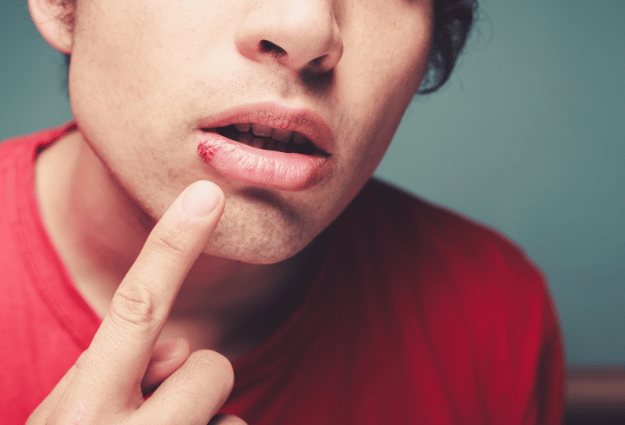
While most cold sores heal on their own, certain situations require professional medical attention.
Signs You Should See a Doctor
You should seek medical care if:
- You experience severe outbreaks that don’t improve with treatment
- Cold sores don’t heal within two weeks
- You have frequent outbreaks (more than six per year)
- You develop other symptoms like high fever or difficulty swallowing
- The sore spreads to your eyes or other areas
- You have a weakened immune system due to conditions like HIV/AIDS or cancer treatment
How to Diagnose Cold Sores
Healthcare providers can usually diagnose cold sores based on appearance alone. However, if there’s uncertainty, they may take a sample from the blister for laboratory testing to confirm herpes simplex infection.
MyInstantMD makes it easy to get professional evaluation and treatment without leaving home. Our board-certified providers can review your symptoms and prescribe appropriate antiviral medicine when medically necessary. We also offer treatment for other viral skin conditions like shingles through our affordable online medical services.
Frequently Asked Questions
What is the first sign of a cold sore?
The first sign of a cold sore is typically a tingling, burning, or itching sensation around the lips or mouth area. This prodromal stage occurs 12-24 hours before small blisters appear. If you start treatment with antiviral medication during this early stage, you may prevent the blister from fully developing or significantly reduce the severity of the outbreak.
Are cold sores highly contagious?
Yes, cold sores are highly contagious from the moment you feel tingling until the sore is completely healed and the scab falls off. The virus spreads through close contact, including kissing, sharing utensils, or any skin-to-skin contact with the affected area. You can even spread the virus to other parts of your own body, including the genital area, so proper hygiene is essential during an outbreak.
What are some helpful information about treatment options for cold sores?
The most effective treatment options include prescription antiviral tablets like acyclovir or valacyclovir, which work best when started at the first sign of symptoms. Over-the-counter antiviral creams can also help for mild outbreaks. For symptom management, cold compresses using a damp cloth, pain relievers, and moisturizing lip balm provide comfort during the healing process. Natural self-care measures like adequate rest and stress management support your general health and immune system.
Can hormonal changes trigger a cold sore outbreak?
Yes, hormonal changes are a known trigger for cold sore outbreaks. Many women notice they get cold sores around their menstrual cycle, during pregnancy, or when experiencing other hormonal fluctuations. These changes can temporarily affect your immune system, allowing the dormant virus to reactivate and cause an outbreak.
How is the first outbreak different from later outbreaks?
The first outbreak of oral herpes is often more severe than recurrent episodes. Initial infections may cause more widespread sores, flu-like symptoms, swollen lymph nodes, and other symptoms that don’t typically occur with later outbreaks. The first outbreak also tends to last longer and be more painful. After the initial infection, the virus remains dormant in nerve cells, and subsequent outbreaks are usually milder and shorter in duration.
What other symptoms might accompany a cold sore?
While the sore itself is the primary symptom, you may experience other symptoms including tingling or burning before the blister appears, pain or tenderness around the affected area, swollen lymph nodes in the neck, and sometimes mild fever or body aches, especially during the first outbreak. Some people also experience headache or general fatigue when the virus is active.