

The onset of a Urinary Tract Infection (UTI) is rarely subtle. It often begins with a faint, localized pressure in the lower abdomen or a slight twinge at the conclusion of a bathroom break. However, within mere hours, that minor annoyance can escalate into a debilitating medical emergency. This condition is characterized by an overwhelming, persistent urge to urinate and a searing, sharp pain that makes every movement feel like a challenge. For those who have experienced it, the burn is more than just a physical symptom; it is a signal that your body’s internal defenses have been breached, requiring immediate and decisive action.
The goal of this guide is to provide you with a comprehensive, evidence-based roadmap that takes you from that first sting to a state of long-term prevention. We will strip away the myths and old wives’ tales to look at the actual science of why these infections happen and how they can be stopped. Whether you are currently in the midst of a flare-up or you are someone who suffers from chronic recurrences, understanding the mechanics of your urinary health is the first step toward reclaiming your comfort.
The Burden of the Burn
A Widespread Health Challenge
If you have ever felt the sudden panic of a UTI, you are far from alone. Statistics indicate that urinary tract infections are among the most common clinical bacterial infections worldwide, accounting for millions of doctor visits annually. While they can affect anyone regardless of age or gender, women are disproportionately impacted due to anatomical factors. In fact, research suggests that over 50% to 60% of women will experience at least one UTI in their lifetime, with a significant percentage facing recurrent infections that return multiple times a year. Because the female urethra is shorter and located closer to sources of bacteria, the journey for pathogens to reach the bladder is tragically short, making the prevention and treatment of these infections a cornerstone of women’s wellness.
Impact on Daily Life
A urinary tract infection is rarely just an infection; it is a significant disruption to the rhythm of daily life. Professionally, the constant need to leave your desk or a meeting can shatter focus and productivity. Socially, the discomfort makes it nearly impossible to enjoy dinner with friends or a trip to the gym. Perhaps most taxing is the impact on sleep; the sensation of a full bladder, even when it is empty, leads to nocturia, or waking up multiple times throughout the night. This cycle of pain and sleep deprivation can leave patients feeling exhausted and emotionally drained, turning a common medical issue into a week-long hurdle that affects every facet of their existence.

Modern Solutions for Immediate Relief
In the past, a UTI meant a stressful trek to an urgent care center, often involving long waits in a crowded room while in intense physical pain. Fortunately, the landscape of healthcare has evolved. Today, accessing UTI treatment online has become the gold standard for patients who need care at the speed of life. By choosing to consult a doctor online through platforms like MyInstantMD, you can receive a professional diagnosis and a targeted treatment plan from the privacy and comfort of your own home. This modern approach eliminates the barriers of travel and wait times, allowing you to secure a same-day virtual doctor appointment and start your recovery process before the infection has a chance to worsen.
Anatomy and Science: What Is a UTI?
Understanding the biological process of a urinary tract infection helps you recognize why a virtual doctor appointment is essential for a complete recovery. A UTI is an invasive bacterial process that targets your body’s filtration system.
The Urinary System Explained
Your urinary system filters waste and maintains fluid balance through four key parts:
- The Kidneys:Filter blood to produce urine. Infection here is serious and requires a same-day virtual doctor appointment to prevent permanent damage.
- The Ureters:Thin tubes that carry urine from the kidneys to the bladder, using one-way valves to block ascending bacteria.
- The Bladder:A muscular storage tank lined with a protective layer designed to resist bacterial attachment.
- The Urethra:The final exit tube. Because the female urethra is shorter, bacteria can reach the bladder much more easily, making women more susceptible to infections.
The Bacterial Culprit
The majority of UTIs are caused by E. coli, which travels from the intestines into the urinary tract. These bacteria use hair-like “hooks” called fimbriae to cling to the bladder walls. Other pathogens, like Staphylococcus saprophyticus or Klebsiella, can also cause infections. Because different bacteria require specific medications, you should consult a doctor online to ensure the correct antibiotic is selected for your case.
The Colonization Process
The journey begins when bacteria reach the urethral opening through daily activities or intimacy. Once they attach to the lining, they multiply and migrate upward—known as an ascending infection. As they reach the bladder, they cause the inflammation and pain associated with a flare-up. If left untreated, bacteria can climb into the kidneys, turning a localized issue into a systemic crisis. Catching this early with telehealth services is the most effective way to stop the spread.
Types of Urinary Tract Infections
Not all urinary tract infections are identical. Medical professionals categorize them based on where the infection is located within the urinary system. Identifying the specific type of infection is the first step a provider takes during a telehealth doctor appointment to ensure the treatment plan is both safe and effective.
Cystitis
Cystitis is the most common form of UTI and occurs when bacteria migrate into the bladder and begin to multiply. This is generally considered a lower urinary tract infection. The primary characteristic of cystitis is inflammation of the bladder lining, which leads to a persistent feeling of pressure.
While intensely uncomfortable, cystitis is typically straightforward to treat if addressed quickly. However, it is important to remember that the bladder acts as a gateway; if you ignore the symptoms of cystitis, the bacteria have a direct path to the rest of your system.
Urethritis
Urethritis is the inflammation of the urethra, the tube that carries urine from the bladder out of the body. While it can be caused by the same gastrointestinal bacteria that cause bladder infections, it is often influenced by other health factors. In some cases, urethritis is linked to irritation from hygiene products or even certain sexually transmitted infections. Because the symptoms can mimic a standard bladder infection, it is vital to consult a doctor online to distinguish between these causes and ensure you are receiving the correct medical intervention.
Pyelonephritis
This is the most serious form of a UTI, known as an upper-tract infection. Pyelonephritis occurs when bacteria successfully travel from the bladder, up the ureters, and into one or both kidneys.
This is a medical priority because the kidneys are responsible for filtering your blood; an infection here can lead to permanent scarring, reduced organ function, or even sepsis, which is a life-threatening blood infection. If you suspect your infection has moved beyond the bladder, seeking a same-day virtual doctor appointment is essential to prevent these long-term risks.

Symptoms: Recognizing the Signs Early
Early detection is the key to preventing a simple infection from turning into a weeks-long ordeal. Your body provides several clear signals when the urinary tract is under attack. Understanding these symptoms allows you to seek UTI treatment online before the bacteria have a chance to colonize further.
The Classic Symptoms
Most people recognize a UTI through three primary sensations:
- Dysuria:This is the clinical term for the sharp, stinging, or burning sensation during urination. It occurs because the acidic urine passes over the inflamed and raw tissue of the urethra.
- Frequency:You may feel the need to go to the bathroom much more often than usual, sometimes every few minutes.
- Urgency:This is the sudden, intense feeling that you must urinate immediately, often even when your bladder is actually empty.
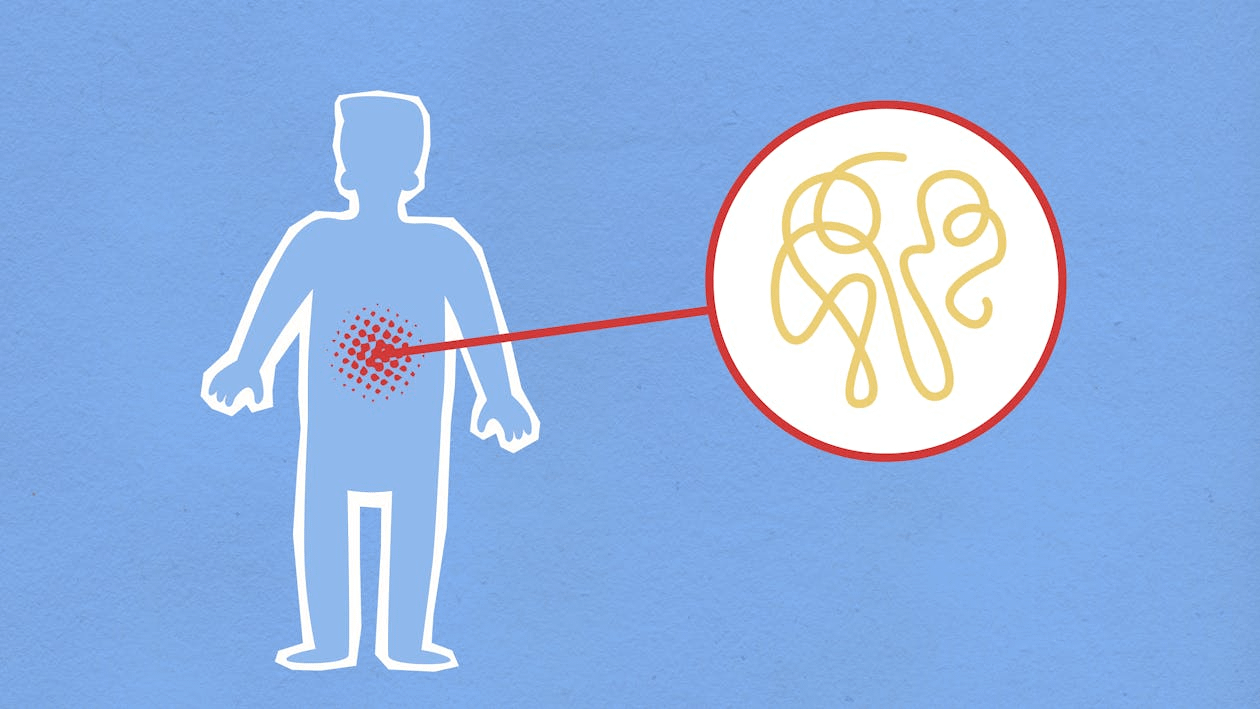
Physical Changes in Urine
Beyond how it feels, you may notice visible changes in the urine itself:
- Cloudiness:Urine that looks milky or turbid is often a sign of white blood cells present to fight the infection.
- Hematuria:This is the presence of blood in the urine. It may look pink, red, or tea-colored. While alarming, it is a common symptom of bladder irritation.
- Strong Odors:While urine always has a scent, a pungent or ammonia smell can indicate bacterial activity.
The Vague Signs
Sometimes, the symptoms are less about the act of urinating and more about generalized discomfort. Women often experience localized pelvic pain, specifically in the center of the pelvis and around the area of the pubic bone. Men, while less likely to get UTIs, may experience rectal pain as a secondary symptom of urinary tract inflammation.
When It Is an Emergency
It is critical to know when a UTI has escalated into an emergency. If the bacteria have reached the kidneys, your symptoms will shift from localized discomfort to systemic illness. You must seek a virtual doctor appointment immediately or visit an emergency center if you experience:
- High Fever and Chills:A sign that your body is fighting a more invasive infection.
- Flank Pain:Pain located in your back or side, just below the ribs, where the kidneys are situated.
- Nausea or Vomiting:Systemic signs that the infection is impacting your overall health.
By utilizing online telehealth services at the first sign of classic symptoms, you can often avoid the dangerous emergency phase entirely. Taking action early ensures your recovery is fast, simple, and handled at the speed of life.

Root Causes and Risk Factors
Understanding why these infections occur is the first step toward breaking the cycle of recurrence. While anyone can develop a urinary tract infection, certain biological and environmental factors significantly increase your risk. Recognizing your personal risk profile allows you to take proactive steps and, when necessary, consult a doctor online to discuss a customized prevention plan.
Biological Factors: Anatomical Susceptibility
The primary reason women experience these infections more frequently than men is simple anatomy. The female urethra is significantly shorter, meaning bacteria have a much shorter distance to travel to reach the bladder. Additionally, the urethral opening is located in close proximity to the vagina and the anus, both of which are natural reservoirs for bacteria like E. coli. This physical layout makes it much easier for pathogens to be introduced into the urinary system during daily activities.
Lifestyle Triggers and Habits
Beyond anatomy, daily choices and habits can inadvertently create an environment where bacteria thrive.
- Sexual Activity:Intimacy is one of the most common triggers for a flare-up. The physical motion can push bacteria into the urethra. This is why many medical professionals recommend urinating immediately after activity to help flush out any unwanted visitors.
- Contraceptive Choices:Certain forms of birth control, specifically diaphragms and spermicidal agents, can disrupt the natural bacterial balance of the vaginal flora. This disruption often allows harmful bacteria to overpopulate and eventually migrate into the urinary tract.
- Hygiene Practices:Basic habits, such as the direction of wiping after using the bathroom, play a major role. Always wiping from front to back is essential to prevent the transfer of gastrointestinal bacteria to the urethral area.

The Life Cycle: Shifting Risks Over Time
The risk of developing an infection changes throughout different stages of life due to fluctuations in hormones and physical health.
- Pregnancy:During pregnancy, hormonal changes and the physical pressure of the growing uterus on the ureters can slow the flow of urine, making it easier for bacteria to multiply.
- Menopause:A drop in estrogen levels leads to changes in the tissue of the urinary tract and the vagina. This often results in a decrease of beneficial bacteria, making post-menopausal women more vulnerable to persistent infections.
- The Elderly:In older adults, UTIs may not present with the typical burning sensation. Instead, they might cause confusion or behavioral changes, making a same-day virtual doctor appointment a vital tool for caregivers to get a fast diagnosis.
Underlying Medical Conditions
Certain health issues can make it harder for your body to fight off urinary pathogens. For example, diabetes can increase the sugar content in urine, providing a food source for bacteria. Kidney stones or an enlarged prostate can physically block the flow of urine, preventing the bladder from emptying completely. Additionally, any condition that weakens the immune system reduces your body’s ability to kill off invading bacteria before they colonize the bladder lining.
Diagnosis: From Traditional Labs to Virtual Care
The process of identifying a UTI has evolved significantly. While the goal remains the same—identifying the presence of harmful bacteria—the methods have become much more accessible for the modern patient.
The Traditional Route: In-Person Testing
For decades, the standard procedure involved traveling to a physical clinic for a urinalysis or a urine culture. A urinalysis looks for signs of infection, such as white blood cells, red blood cells, or nitrates. A culture takes longer, as it involves growing the bacteria in a lab to see exactly which strain is causing the issue. While effective, this process often involves long wait times in a clinic while you are in significant pain.
The Digital Shift: Modern Diagnostic Methods
Today, many uncomplicated infections can be diagnosed through a telehealth doctor appointment. Because the symptoms of a UTI are so specific and recognizable, a board-certified provider can often make an accurate diagnosis based on your symptomatic history and medical background. This approach allows you to skip the waiting room and start UTI treatment online within minutes. This helps you receive the same clinical expertise as an in-person visit but at a speed that matches the urgency of your pain.
Self-Testing: At-Home UTI Test Strips
At-home test strips have become a popular tool for those who experience frequent infections. These strips work similarly to lab tests by detecting nitrites and leukocytes in the urine. While they can be a helpful indicator, they are not a replacement for professional medical advice. If your at-home test is positive, or if you have symptoms despite a negative test, the next step should always be to consult a doctor online. A professional can interpret these results in the context of your overall health and ensure you receive the correct prescription to fully clear the infection.

UTI Treatment Online: Fast Relief with MyInstantMD
When the burning sensation of a urinary tract infection begins, the clock starts ticking. Every hour that passes without intervention is an hour where bacteria can continue to multiply and move deeper into your system. Accessing UTI treatment online is no longer just a matter of convenience; it is a clinical advantage that prioritizes speed and patient comfort.

How MyInstantMD Facilitates Care
Our platform, MyInstantMD, has streamlined the medical experience by removing the administrative friction found in traditional clinics. These online telehealth and treatment services connect patients directly with board-certified providers who specialize in acute care. The platform is built for efficiency, allowing you to access high-quality medical expertise from your smartphone or computer at the speed of life.
The Process: Simple and Accurate
- Symptom Review:You will provide a detailed history of your current sensations, such as the level of pain, frequency of urination, and any physical changes you have noticed.
- Medical History:The provider reviews your history of past infections and any underlying conditions to ensure a safe treatment plan.
- Clinical Evaluation:Based on this symptomatic evidence, which is highly diagnostic for UTIs, the provider determines the best course of action.
Immediate Prescription Access
Once a diagnosis is confirmed, you do not have to wait days to start feeling better. The provider can issue a UTI prescription online and send it electronically to the local pharmacy of your choice. In many cases, you can have your medication in hand within minutes of ending your virtual doctor appointment. This seamless transition from diagnosis to treatment is the most effective way to stop the infection in its tracks.
Home Remedies and Supportive Care
While clinical intervention is the only way to fully eliminate a bacterial infection, supportive care can help manage the symptoms and support your body’s natural healing process.
Hydration: The Science of Flushing the System
You have likely been told to drink plenty of water during a UTI, and the science supports this. Increased fluid intake increases the volume and frequency of urination. This physical action helps flush bacteria out of the bladder before they can firmly attach to the walls. While water is best, avoiding bladder irritants like caffeine, alcohol, and spicy foods during a flare-up is equally important for reducing discomfort.
Pain Management and Comfort
While waiting for antibiotics to take effect, certain over-the-counter options can provide temporary relief. Phenazopyridine is a common medication that targets the lining of the urinary tract to soothe the burning sensation, though it is important to remember it does not cure the infection itself. Additionally, applying a heating pad to the lower abdomen can help relax the pelvic muscles and ease the dull ache associated with bladder inflammation.
Cranberry: Myth vs. Fact
The link between cranberries and urinary health is well-known, but often misunderstood. Recent research suggests that cranberries contain specific compounds called Proanthocyanidins (PACs), which may prevent bacteria from sticking to the bladder wall. However, most store-bought cranberry juices do not contain a high enough concentration of PACs to treat an active infection. While cranberry supplements may be a helpful part of a long-term prevention strategy, they should never be used as a replacement for medical treatment once symptoms have started.
Taking Control of Your Urinary Health
A urinary tract infection is a painful interruption, but it does not have to be a prolonged crisis. By understanding the anatomy of your system, recognizing the early warning signs, and knowing the difference between a simple bladder issue and a kidney emergency, you are empowered to make the best decisions for your health.

The MyInstantMD promise is centered on providing high-quality UTI treatment online without the typical delays of the healthcare system. Whether you are dealing with your first infection or struggling with a recurrence, accessing a same-day virtual doctor appointment ensures you can stop the burn and reclaim your day immediately. You have the tools and the technology to manage your urinary health on your own terms.
Do not let the discomfort linger. Connect with a board-certified professional at MyInstantMD today to get your personalized treatment plan and prescription sent to your pharmacy at the speed of life.