

A sinus infection often begins as a nagging feeling of fullness in the face, which quickly escalates into persistent congestion, facial tenderness, and a profound sense of exhaustion. For many, this condition is far more than a minor inconvenience; it is a significant disruption that affects concentration, professional performance, and quality of life. Understanding whether your symptoms are the result of a simple cold or a more complex infection is the key to recovery.
While sinus issues are among the most common reasons people seek medical help, there is often confusion regarding when to manage symptoms at home and when to seek clinical intervention. This guide provides the knowledge needed to distinguish between temporary congestion and infections that require medical attention. In the modern era of healthcare, accessing sinus infection treatment online has become the standard for those seeking rapid, evidence-based guidance. By choosing to consult a professional through a digital platform like MyInstantMD, you can secure an accurate diagnosis and a targeted care plan without the need to navigate the logistical challenges of a traditional clinic.
Understanding Your Sinuses: Anatomy and Function
To understand why a sinus infection causes such intense discomfort, it is helpful to look at the structure of your nasal passages. Your skull contains four pairs of air-filled cavities known as the paranasal sinuses.
- Frontal Sinuses:Located in the center of your forehead, just above the eyes. These cavities are often the source of pressure that creates a dull ache across the brow when they become obstructed.
- Maxillary Sinuses:Positioned behind your cheekbones. These are the largest of the sinus cavities. Because they are the first to develop, they are frequently the site of infection and are closely connected to the roots of your upper teeth.
- Ethmoid Sinuses:Situated between your eyes, near the bridge of the nose. These consist of a complex network of tiny, honeycombed air cells. Because of their intricate structure, they are highly prone to becoming inflamed during a cold.
- Sphenoid Sinuses:Located deep behind the eyes, near the center of the skull. While these are less frequently discussed, their deep location can lead to referred pain that feels like a headache radiating from the middle of the head.
The Drainage System
Under healthy conditions, these cavities are lined with a thin layer of mucus. This mucus serves a vital purpose by trapping dust, allergens, and airborne pathogens, which are then swept out of the sinuses by tiny, hair-like structures called cilia. This drainage process ensures that your nasal passages remain clear and free of debris.
The Blockage
A sinus infection occurs when the normal drainage pathways become obstructed. This blockage is often caused by inflammation from a cold, allergies, or environmental irritants. When the pathways are blocked, mucus becomes trapped inside the sinus cavities. This trapped fluid creates an environment where pathogens can thrive, leading to the inflammation, swelling, and localized pressure that characterize sinusitis. Understanding this cycle of blockage and inflammation is the first step in determining the correct approach for relief and long-term sinus health.
The Path of an Infection: Causes and Triggers
Distinguishing the root cause of your sinus discomfort is essential for determining the right treatment plan. While the symptoms may feel identical, the underlying triggers dictate whether you need simple rest or medical intervention.
Viral Sinusitis
The vast majority of sinus issues are viral. These infections usually begin as a standard cold caused by rhinoviruses. In these cases, the nasal lining swells, temporarily blocking sinus drainage. Because viruses do not respond to antibiotics, the best course of action is usually supportive care to manage congestion and pain while your immune system clears the virus.
Allergic Sinusitis
Chronic inflammation often stems from allergies. Exposure to pollen, pet dander, or dust mites triggers a persistent immune response that keeps the nasal passages inflamed. This ongoing swelling prevents proper drainage, creating a breeding ground for inflammation that can lead to recurrent sinus issues. Managing these triggers is a key part of long-term prevention.

Bacterial Sinusitis
Bacterial infections often occur as a secondary complication. If a cold or allergic reaction lasts beyond ten days without improvement, bacteria can begin to colonize the trapped mucus. This is the stage where a virtual doctor appointment becomes valuable. A provider can evaluate your symptom progression to determine if you require a sinus infection prescription online to clear the bacterial load.
Structural Factors
Sometimes, the issue is physical. Nasal polyps, which are soft growths, or a deviated septum, which is a misalignment of the nasal wall, can physically narrow the drainage pathways. These structural issues make it significantly harder for the sinuses to clear naturally, often leading to chronic sinus problems that require an assessment by a specialist.
Symptoms: Is It Just a Cold or Sinusitis?
Distinguishing between a common cold and a sinus infection is the first step in deciding whether you need to manage your care at home or seek professional guidance. While both conditions share similar origins, the intensity, location, and duration of symptoms provide clear signals about what is occurring inside your nasal passages.
The Primary Indicators
When your sinuses become inflamed, they produce several hallmark symptoms that signal more than a simple upper respiratory infection:
- Facial Tenderness and Pressure:This is often the most distinct sign of sinusitis. It manifests as a dull, throbbing ache or a feeling of intense fullness. This pressure is typically localized in the areas surrounding your sinuses, specifically the forehead, cheeks, and between the eyes.
- Nasal Obstruction:While a cold involves general congestion, sinusitis frequently leads to a more complete blockage. This obstruction makes it difficult to breathe through the nose and can significantly dampen your sense of smell and taste.
- Discolored Discharge:Unlike the clear, thin mucus often associated with the early stages of a cold, sinus infections typically produce thick, opaque mucus. Yellow or green coloration indicates that your immune system is actively working to neutralize an accumulation of trapped pathogens.

Secondary Symptoms
Beyond the classic congestion, sinusitis often affects surrounding structures, leading to discomfort that may seem unrelated to the nasal cavity:
- The Sinus Headache:This is a distinct type of head pain that is intimately linked to sinus pressure. It often intensifies when you change positions, such as leaning forward to pick something up or lying flat on your back, which shifts the pressure within the blocked cavities.
- Tooth Pain:Many people are surprised to find their upper teeth aching during a sinus flare-up. This occurs because the maxillary sinuses are positioned directly above the roots of your upper molars. Inflammation in these sinuses exerts pressure on the nerves of your teeth, causing pain that mimics a dental issue.
- Fatigue:Fighting a bacterial or persistent viral infection requires massive energy expenditure from your immune system. This systemic response often leaves you feeling profoundly drained and lethargic, which is a key differentiator from a mild cold that might only affect your energy levels slightly.
The Timeline: Differentiating the Stages
The duration of these symptoms is the most important factor in determining the stage of your condition and the necessary medical response:
- Acute Sinusitis:These symptoms generally appear suddenly and last for less than four weeks. This stage is most commonly triggered by a viral cold that failed to clear properly. Acute cases often respond well to supportive care and diligent monitoring.
- Subacute Sinusitis:When symptoms persist for four to twelve weeks, the condition is classified as subacute. This timeframe often indicates that the infection is lingering and may require a more structured evaluation to prevent it from becoming a long-term issue.
- Chronic Sinusitis:This is defined by symptoms that last for twelve weeks or longer, even with repeated attempts at treatment. Chronic sinusitis often involves underlying structural issues, such as nasal polyps, or persistent environmental triggers that keep the sinuses in a cycle of constant inflammation.

If you find that your symptoms are not following the typical resolution pattern of a common cold, or if you are entering the subacute stage, it is time to consult a doctor online. This allows you to review your symptom timeline with a professional. Securing a same day virtual doctor appointment at MyInstantMD ensures you receive an accurate diagnosis and, if necessary, a sinus infection prescription online to help resolve the infection and prevent it from evolving into a chronic, long-term health challenge.
The Great Antibiotic Debate: When Are They Needed?
A frequent misconception is that every sinus infection requires antibiotics. Because most cases are viral, antibiotics are often ineffective and can contribute to antibiotic resistance. Understanding when these medications are truly necessary is a critical component of responsible health management.
The Wait and See Approach
For the first 7 to 10 days, the standard clinical recommendation focuses on supportive care. This period allows your immune system the time needed to resolve a viral infection on its own. During this phase, the goal is to manage discomfort through hydration, nasal irrigation, and rest. Rushing to use antibiotics early rarely speeds up recovery and may expose you to side effects without providing benefit.
Red Flags for Bacterial Infection
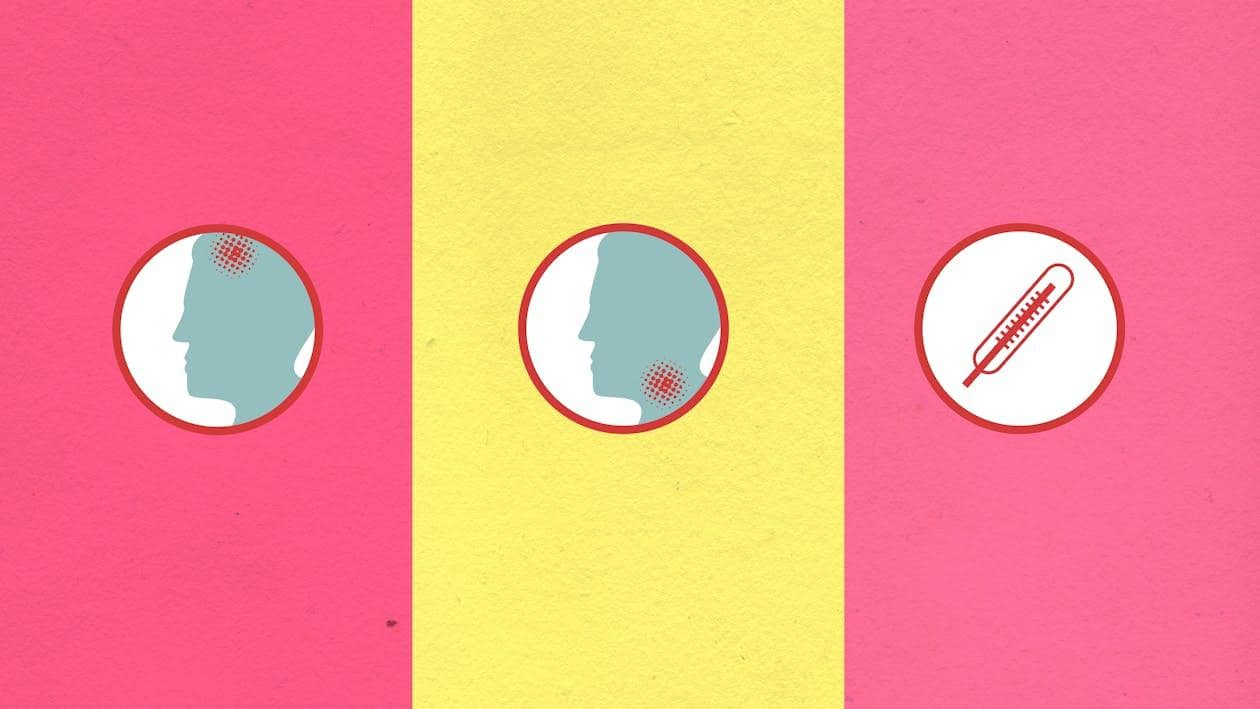
While most cases resolve on their own, certain signs indicate a bacterial infection that may require medical intervention:
- High Fever:A persistent temperature over 102 degrees Fahrenheit.
- Duration:Symptoms that show no improvement after 10 days.
- Double-Sickening:A pattern where you begin to feel better, only for symptoms to suddenly worsen or return with greater intensity.
Antibiotic Stewardship
Antibiotic stewardship refers to the practice of using these drugs only when they are medically indicated. Misuse of antibiotics can lead to resistance, making future infections more difficult to treat. This is why a professional evaluation is necessary. A provider can assess whether your symptoms follow a bacterial pattern or if they remain consistent with a viral timeline.
Diagnosis in the Digital Age
The process of diagnosing sinus issues has become increasingly efficient thanks to modern technology. You no longer need to endure a crowded waiting room when you are already feeling fatigued.
The Virtual Advantage
During a sinus infection treatment online consultation, providers rely on your detailed symptom history and duration to differentiate between viral and bacterial causes. By analyzing the progression of your congestion, facial pressure, and discharge, a board-certified provider can determine the most effective path forward. This evidence-based approach ensures you receive guidance tailored to your specific situation.
Telehealth Efficiency
Accessing a virtual doctor appointment is especially beneficial when you are suffering from sinus symptoms. The physical effort required to travel to a clinic can exacerbate feelings of exhaustion. Telehealth allows you to receive a professional assessment from home, ensuring you can secure a sinus infection prescription online if indicated, and have it sent directly to your preferred pharmacy.
When to See a Specialist
While acute infections are often managed through primary or urgent care, chronic sinusitis may require the expertise of an Ear, Nose, and Throat specialist, also known as an Otolaryngologist. If you experience persistent symptoms lasting longer than 12 weeks, or if you deal with recurrent infections despite treatment, a specialist can investigate potential underlying structural issues, such as severe polyps or anatomy that obstructs drainage. In these cases, a same day virtual doctor appointment serves as an excellent first step to coordinate a referral and get a professional opinion on your long-term management strategy.

Professional Care: Sinus Infection Treatment Online
When sinus pressure becomes unmanageable, waiting for a clinic opening is often not a viable option. Accessing sinus infection treatment online provides a streamlined, effective path to recovery that prioritizes your comfort and time.
Streamlined Access
Platforms like MyInstantMD are designed to eliminate the obstacles associated with traditional healthcare. By allowing you to consult a doctor online, these services provide immediate access to board-certified medical professionals who specialize in acute care. This modern approach ensures that high-quality medical guidance is available whenever you need it, matching the urgency of your health needs with the speed of digital technology.
The Telehealth Workflow
The process of seeking care is simplified to remove the physical and mental stress of a traditional visit:
- Symptom Review:You begin by sharing your specific health history, including the duration of your pressure, discharge characteristics, and any other symptoms like fever or fatigue.
- Professional Diagnosis:A provider evaluates the provided information to determine whether your condition is viral or bacterial. This diagnostic process relies on established clinical protocols to ensure accuracy.
- Avoiding Waiting Room Stress:By handling the entire consultation from your home or office, you avoid exposure to other illnesses found in crowded waiting rooms and eliminate the travel time that often makes a sick person feel even worse.
Efficient Prescription Access
One of the primary advantages of this model is the ability to secure a sinus infection prescription online. Once the provider determines that medication is necessary to treat your condition, they can electronically transmit that prescription to your local pharmacy. This ensures you can start your recovery without the need for unnecessary, time-consuming office visits. Using online telehealth and treatment services to obtain your medication allows you to stay focused on resting and recovering at the speed of life.

Home Remedies and Supportive Care
Before reaching for clinical treatments, your first line of defense involves managing the environment of your nasal passages to encourage natural drainage.
Nasal Irrigation
Using a saline rinse or a neti pot is a highly effective way to clear the sinuses. The science is straightforward: saline solution helps thin the mucus and physically flushes out allergens, dust, and trapped bacteria from the nasal cavities. This practice reduces inflammation and helps restore the natural movement of your cilia, allowing your sinuses to clear themselves more effectively.
Humidification
Mucus thickens when the air is dry, making it harder to drain. Introducing moisture into your environment through a humidifier or by taking a warm, steamy shower helps liquefy stubborn mucus. Moisture is the natural enemy of buildup, as it keeps your nasal passages lubricated and prevents the crusting that often blocks drainage pathways.
Over-the-Counter Guidance
Choosing the right medication requires understanding what each product does:
- Decongestants:These help shrink swollen nasal tissues to open airways. However, they should generally not be used for more than three consecutive days to avoid the rebound effect, where nasal congestion worsens once the medication is stopped.
- Antihistamines:These are most effective if your sinus issues are triggered by allergies. They reduce the sneezing and runny nose associated with allergic reactions.
- Nasal Steroids:These are designed to reduce long-term inflammation. Unlike decongestants, they are often used for longer durations to manage chronic swelling, though they may take several days to reach full effectiveness.
Complications: When Sinusitis Gets Serious
While most sinus infections resolve, it is important to recognize when a condition has moved beyond a simple infection.
Spreading the Infection
Though rare, untreated sinus infections can spread to nearby tissues. Because the sinuses are situated near the eyes and brain, serious complications such as orbital cellulitis, an infection of the eye socket, or meningitis, an inflammation of the membranes surrounding the brain, can occur. If you experience vision changes, intense neck stiffness, or severe confusion, seek emergency medical care immediately.
Chronic Sinusitis
When symptoms persist for more than 12 weeks despite multiple attempts at care, the condition is classified as chronic. Living with this requires a long-term management strategy, which often involves working with an ENT specialist to address underlying issues like polyps or persistent allergic inflammation that prevent the sinuses from healing.
Prevention: Keeping Your Airways Clear
Prevention is the most effective way to maintain sinus health and avoid the cycle of recurrent infections.
Managing Allergies
Allergy management is the foundation of sinus prevention. If your body constantly reacts to dust, pollen, or dander, your sinuses will remain in a state of chronic inflammation. Working with a professional to identify your specific triggers and utilizing daily preventatives, such as non-drowsy antihistamines or prescribed nasal steroids, can keep your passages clear and prevent the buildup that invites bacterial growth.
Environmental Triggers
Your environment plays a significant role in your respiratory health:
- Air Quality:Tobacco smoke and strong chemical fumes are major irritants that damage cilia. Avoiding these pollutants is essential for maintaining your natural defense system.
- Air Moisture:In winter, indoor heating can dry out the air. Using a humidifier during sleep hours can keep your nasal linings hydrated and resistant to irritation.
Immune Support
Your immune system is your primary barrier against secondary bacterial infections. When you are tired or dehydrated, your body is less equipped to fight off the initial viral cold that often leads to sinusitis. Prioritizing consistent hydration and adequate sleep ensures your immune system stays strong. By supporting your overall health, you make it much more difficult for a minor cold to settle in and transform into a painful sinus infection.
A sinus infection is an uncomfortable and disruptive experience, but it does not have to be a prolonged struggle. By understanding the anatomy of your nasal passages, recognizing the specific patterns of your symptoms, and knowing when to escalate your care, you are better equipped to navigate the recovery process. The most important step is distinguishing between viral issues that require rest and bacterial infections that need clinical intervention from an online doctor for a sinus infection.

The MyInstantMD promise is centered on providing high-quality, efficient care when you need it most. You do not need to wait for a clinic to open or endure a crowded waiting room to find relief. By utilizing a same day virtual doctor appointment, you can access expert medical guidance from the comfort of your home. Taking charge of your sinus health means getting the right diagnosis quickly so you can stop the pressure and return to your daily life.
Do not let sinus pressure dictate your schedule. If your symptoms are lingering or worsening, connect with a board-certified provider at MyInstantMD today to secure your sinus infection treatment online and get on the path to clear, pain-free breathing.