Chlamydia is one of the most common sexually transmitted infections in the United States. If you’ve been diagnosed with chlamydia infection or suspect you might have it, you likely have an important question: can chlamydia be cured? The simple answer is yes, chlamydia can be cured with proper antibiotic treatment. However, understanding the complete picture of chlamydia treatment, potential complications, and prevention strategies is essential for your sexual health.
TLDR: Key Points About Chlamydia Treatment
- Chlamydia is a common bacterial infection that can be completely cured with appropriate antibiotic treatment
- Doxycycline (7-day course) or azithromycin (single dose) are the standard treatments with approximately 95% effectiveness
- All sexual partners should be tested and treated to prevent reinfection
- Follow-up testing is recommended 3 months after treatment
- Without treatment, chlamydia can cause serious health complications including infertility and pelvic inflammatory disease
Get Treatment Now
Don’t delay if you suspect you might have chlamydia or have received a positive test result. Early treatment prevents complications and protects your long-term health. At MyInstantMD, we provide discreet, professional care for chlamydia and other health concerns. Get started with your chlamydia treatment today and take control of your sexual health.
What is Chlamydia?
Chlamydia is a bacterial infection caused by bacteria chlamydia trachomatis. This common STI affects both men and women and is spread through sexual contact. According to the World Health Organization, chlamydia affects millions of people worldwide each year, with many cases going undetected due to the absence of symptoms.
The bacteria primarily infect the genital tract but can also affect the rectum, throat, and eyes. What makes chlamydia particularly concerning is that about 70-80% of infected women and 50% of infected men show no symptoms, which is why regular chlamydia testing is essential for sexually active individuals.
Symptoms of Chlamydia
When symptoms do appear, they typically develop 1-3 weeks after exposure. Common symptoms include:
In women:
- Abnormal vaginal discharge
- Burning sensation when urinating
- Pain during intercourse
- Lower abdominal pain
- Bleeding between periods or after sex
In men:
- Discharge from the penis
- Burning or pain during urination
- Pain or swelling in one or both testicles
Both men and women can experience rectal symptoms if infected through anal sex, including pain, discharge, and bleeding.
How Chlamydia is Diagnosed
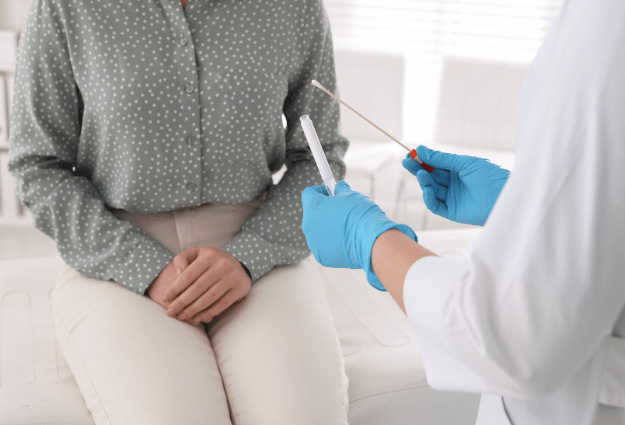
Getting tested for chlamydia is a straightforward process. Healthcare providers use several methods to diagnose this infection:
- Urine tests: A simple urine sample can detect the bacteria
- Swab tests: Samples taken from potentially infected sites (cervix, urethra, rectum, or throat)
Many online healthcare providers now offer convenient testing options, making it easier than ever to know your status.
Can Chlamydia Be Cured? Treatment Options

Yes, chlamydia can be effectively cured with antibiotics. According to the CDC, chlamydia treatment has a success rate of approximately 95% when medications are taken correctly.
The most common antibiotics prescribed for treating chlamydia include:
- Doxycycline: 100mg taken twice daily for 7 days (now the CDC’s preferred treatment)
- Azithromycin: A single 1-gram dose taken one time
Your healthcare provider will determine the best treatment based on your medical history, pregnancy status, and other factors. It’s crucial to take all medication as prescribed, even if symptoms disappear before finishing the treatment.
If left untreated, chlamydia can lead to serious complications, particularly in women, including pelvic inflammatory disease, which can cause chronic pain and fertility problems.
The Importance of Partner Treatment
When you start treatment for chlamydia, it’s essential that all recent sexual partners also get tested and treated. According to the Cleveland Clinic, if your partners don’t receive treatment, they can reinfect you even after you’ve completed your course of antibiotics.
The CDC recommends that partners from the previous 60 days should be notified, tested, and treated. This approach, known as expedited partner therapy (EPT), is critical to breaking the cycle of infection and reinfection.
Recovery and Follow-Up Testing
After completing treatment, most people recover within 1-2 weeks. However, you should:
- Abstain from sexual activity for at least 7 days after treatment completion
- Ensure all partners have been treated
- Return for follow-up testing 3-4 weeks after treatment completion
- Get retested 3 months after treatment, as recommended by the CDC
Repeat testing is crucial because reinfection is common, especially if partners haven’t been treated. The online treatment options available today make it convenient to manage both initial treatment and follow-up care.
Preventing Chlamydia and Other Sexually Transmitted Infections
Prevention is always better than treatment. To reduce your risk factors for chlamydia:
- Use condoms correctly and consistently
- Limit your number of sexual partners
- Get regular STI screening if you’re sexually active
- Discuss sexual health openly with partners
- Consider regular health consultations to address any concerns
Complications of Untreated Chlamydia
Understanding the potential consequences of untreated chlamydia emphasizes the importance of prompt testing and treatment. If left untreated, chlamydia can cause:
In women:
- Pelvic inflammatory disease (PID)
- Infertility
- Chronic pelvic pain
- Increased risk of ectopic pregnancy
- Transmission to babies during childbirth
In men:
- Epididymitis (inflammation of a tube at the back of the testicles)
- Prostatitis
- Reactive arthritis
- In rare cases, reduced fertility
Both men and women can develop reactive arthritis as a complication.
Treating Chlamydia with MyInstantMD

At MyInstantMD, we understand that seeking treatment for sexually transmitted infections can be uncomfortable. Our discreet online chlamydia treatment service provides a convenient, private way to get the care you need from licensed healthcare providers.
Through our telemedicine platform, you can:
- Consult with healthcare professionals from the privacy of your home
- Receive appropriate prescriptions sent to your preferred pharmacy
- Get guidance on partner notification and prevention
- Access follow-up care as needed
Frequently Asked Questions
How is chlamydia spread through oral sex?
Chlamydia can be transmitted through oral sex if the mouth comes into contact with infected genital areas. While transmission through oral sex is less common than through vaginal or anal intercourse, it’s still possible, and can lead to throat infections.
Can I transmit chlamydia to my sex partner even if I have no symptoms?
Yes, you can transmit chlamydia to a sexual partner even without symptoms. Many infected individuals are asymptomatic but still contagious, which is why regular screening for sexual partners is important.
Is anal sex a common way to transmit chlamydia?
Yes, anal sex without protection is a significant risk factor for chlamydia transmission. The rectum can harbor the bacteria, and infected individuals may experience rectal pain, discharge, and bleeding.
How do I inform my sexual partners about my chlamydia diagnosis?
Having an honest conversation with sexual partners is crucial. Explain that chlamydia is common, curable, and that they should get tested. The Centers for Disease Control and Prevention offers resources for partner notification, including anonymous notification services.
Can chlamydia cause chronic pelvic pain if not treated properly?
Yes, untreated chlamydia in women can lead to pelvic inflammatory disease (PID), which may result in chronic pelvic pain that persists even after the infection is eventually treated. This underscores the importance of early detection and treatment.
What is a potentially fatal ectopic pregnancy and how is it related to chlamydia?
An ectopic pregnancy occurs when a fertilized egg implants outside the uterus, usually in a fallopian tube. This condition can be life-threatening and requires emergency treatment. Untreated chlamydia can cause scarring in the fallopian tubes, significantly increasing the risk of a potentially fatal ectopic pregnancy.