
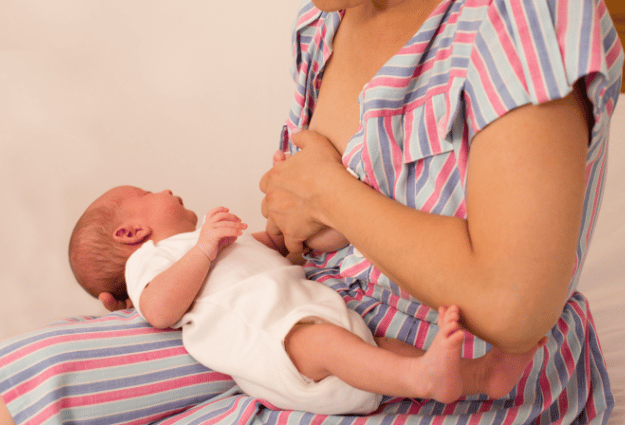
Mastitis is a painful breast inflammation that commonly affects breastfeeding women. This condition can be uncomfortable and concerning, but with proper treatment, most cases resolve quickly. In this guide, we’ll explore how to treat mastitis effectively, recognize symptoms early, and prevent recurrence.
TLDR: Key Takeaways for Mastitis Treatment
- Continue breastfeeding during mastitis—it helps, not hurts
- Apply ice (not heat) to reduce inflammation and relieve pain
- Take anti-inflammatory medications like ibuprofen
- Rest and stay well-hydrated
- Seek medical help if symptoms don’t improve within 24-48 hours or if you have a fever
Get Treatment Today
If you’re experiencing mastitis symptoms, don’t wait for them to worsen. MyInstantMD’s online consultation service connects you with experienced healthcare providers who can diagnose mastitis and prescribe appropriate treatment without you needing to leave home.
For just $59.99, you can receive a personalized treatment plan and any necessary prescriptions sent to the pharmacy of your choice. Our providers understand the importance of quick, effective treatment for breastfeeding mothers.
What is Mastitis?

Mastitis is an inflammation of breast tissue that sometimes involves an infection. It typically affects breastfeeding women, particularly during the first three months after childbirth. According to the Cleveland Clinic, up to 10% of breastfeeding women in the United States experience mastitis, with rates potentially reaching 30% worldwide.
The condition develops when milk becomes trapped in the breast, causing swelling and inflammation of surrounding tissue. This breast inflammation can progress from simple milk stasis to bacterial infection if not properly addressed.
Recognizing Mastitis Symptoms
Early identification of mastitis symptoms allows for prompt treatment. Common signs include:
- Breast pain and tenderness: The affected breast becomes painful, often with a specific tender area.
- Redness and warmth: The skin over the affected area appears red and feels warm to touch.
- Swelling: The affected breast may swell and feel hard in the affected area.
- Wedge-shaped red area: Often appears in the outer upper portion of the breast.
- Flu-like symptoms: In bacterial mastitis, you may experience fever, chills, and body aches.
If you notice these mastitis symptoms, especially if accompanied by fever above 101°F (38.3°C), it’s important to seek medical advice promptly.
Types of Mastitis
Understanding the type of mastitis you’re experiencing helps determine the appropriate treatment:
1. Inflammatory Mastitis
This type occurs when milk flow is obstructed, causing inflammation without infection. It typically presents with:
- Localized breast tenderness
- Mild redness
- No significant fever or systemic symptoms
2. Bacterial Mastitis
When bacteria enter the breast tissue, often through cracked nipples, they can cause infection. Signs include:
- More intense pain and redness
- Fever above 101°F
- Chills and flu-like symptoms
- Possible breast abscess formation if left untreated
Current Treatment Approach: The Paradigm Shift
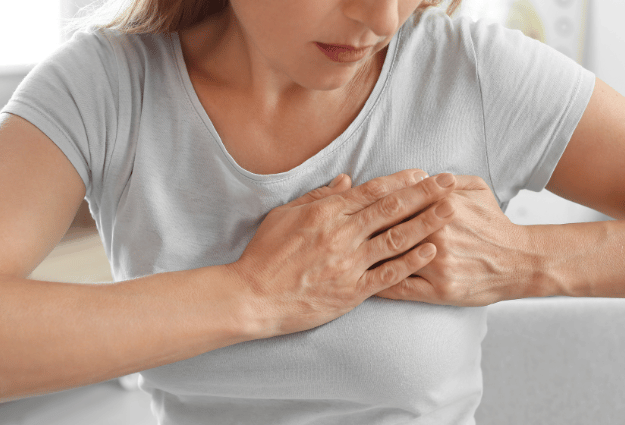
The Academy of Breastfeeding Medicine has updated their treatment guidelines, now recommending that inflammatory mastitis be treated like a “sprained ankle” with rest, anti-inflammatory measures, and ice—rather than with aggressive massage and heat as previously advised.
How to Treat Mastitis at Home
For mild inflammatory mastitis without infection, these home treatments can be effective:
1. Continue Breastfeeding
Contrary to what some might think, continued breastfeeding is essential for treating mastitis. According to the Mayo Clinic, continuing to breastfeed:
- Helps clear blocked milk ducts
- Prevents milk stasis
- Maintains milk supply
- Speeds recovery
Start nursing on the unaffected breast first to trigger let-down, then switch to the affected side.
2. Apply Cold Compresses
Ice is now recommended over heat for treating mastitis:
- Apply ice packs to the affected area for 15-20 minutes
- Use a thin cloth between ice and skin
- Repeat every 1-2 hours
- Continue ice application even after feeding or pumping
3. Take Anti-inflammatory Medications
Non-steroidal anti-inflammatory drugs (NSAIDs) help reduce inflammation and relieve pain:
- Ibuprofen (400-600mg every 6-8 hours)
- These medications are safe while breastfeeding
4. Rest and Hydration
- Get adequate rest—stress and fatigue can worsen mastitis
- Stay hydrated by drinking plenty of water
- Maintain good nutrition to support healing
5. Gentle Lymphatic Massage
Modern approaches recommend gentle lymphatic drainage rather than deep massage:
- Use light fingertip pressure
- Stroke gently from the affected area toward the armpit
- Avoid aggressive massage that can worsen inflammation
6. Wear a Supportive Bra
A well-fitting supportive bra (not too tight) can provide comfort and support milk flow. Avoid underwire bras that might compress milk ducts.
When to Seek Medical Treatment

While home remedies are often sufficient for mild cases, online consultation with a healthcare provider is recommended if:
- Symptoms don’t improve within 24-48 hours
- You have fever over 101°F (38.3°C)
- Pain is severe or worsening
- You see signs of a breast abscess (a painful, swollen lump)
- You have a weakened immune system
Medical Treatment Options
Antibiotic Treatment
If bacterial mastitis is suspected, your doctor may prescribe antibiotics:
- Typically penicillin-based or cephalosporin antibiotics
- Usually taken for 10-14 days
- Continue the full course even if symptoms improve
- Keep breastfeeding during antibiotic treatment
According to a recent clinical review in the Cleveland Clinic Journal of Medicine, not all mastitis requires antibiotics. The current approach reserves antibiotics for cases with:
- Fever and systemic symptoms
- Symptoms that don’t improve with conservative measures after 24-48 hours
- Signs of infection
Breast Abscess Treatment
If a breast abscess forms (in about 3-11% of mastitis cases), additional treatment is needed:
- Ultrasound-guided drainage or surgical drainage
- Culture of the fluid to identify the specific bacteria
- Continued antibiotics
- Ongoing breastfeeding (usually possible even with an abscess)
Preventing Mastitis
Prevention is always better than treatment. Here are key strategies to prevent mastitis:
1. Ensure Proper Latch and Positioning
- Work with a lactation consultant to establish proper breastfeeding technique
- Ensure baby empties the breast effectively during feeding
- Address any latching issues promptly
2. Frequent Feeding
- Feed your baby on demand, not on a strict schedule
- Avoid suddenly going longer between feedings
- Don’t skip feedings
3. Prevent Engorgement
- If your breasts become engorged, express just enough milk for comfort
- For oversupply, consider “block feeding” (using one breast per feed)
4. Maintain Healthy Nipples
- Keep nipples clean and dry
- Apply expressed breast milk to nipples after feeding
- Treat cracked nipples promptly
5. Avoid Pressure on Breasts
- Avoid tight-fitting bras, especially with underwire
- Be careful with baby carriers and purse straps
- Avoid sleeping on your stomach
6. Manage Stress and Rest
- Get adequate rest
- Ask for help with household tasks
- Maintain good nutrition and hydration
The benefits of telemedicine make it easier than ever to get professional advice for mastitis symptoms without leaving home—especially important for new mothers.
FAQs About Mastitis
How do I know if my mastitis is turning into a breast abscess?
A breast abscess typically presents as a painful, swollen lump that may feel warm and look increasingly red. If you suspect an abscess, seek medical attention immediately as it will require drainage in addition to antibiotic treatment.
Can mastitis be confused with inflammatory breast cancer?
Yes, inflammatory breast cancer can sometimes present with similar symptoms as mastitis, including breast pain, redness, and swelling. However, breast cancer symptoms typically don’t improve with antibiotics and persist despite treatment. If mastitis symptoms don’t improve after appropriate treatment, consult your doctor to rule out other conditions.
How can I improve milk flow when I have mastitis?
To improve milk flow, ensure frequent breastfeeding, apply warm compresses briefly before feeding (but ice afterward), maintain good hydration, and try different breastfeeding positions to effectively drain all areas of the breast.
Is it safe to continue breastfeeding with mastitis?
Not only is it safe to continue breastfeeding with mastitis, it’s actually recommended. Continued breastfeeding helps clear blocked milk ducts and prevents further milk stasis that could worsen the condition. The American Family Physician journal confirms that breastfeeding during mastitis poses no risk to the healthy, full-term infant.
Can poor latch cause mastitis?
Yes, a poor latch can contribute to mastitis by causing ineffective milk removal and potentially nipple damage. Working with a lactation consultant can help improve latch technique and prevent mastitis.
What causes mastitis besides blocked milk ducts?
Besides blocked milk ducts, mastitis can be caused by cracked nipples (allowing bacteria to enter), pressure on the breast (from tight clothing or sleeping position), maternal stress and fatigue, sudden changes in feeding patterns, or bacterial infection.