
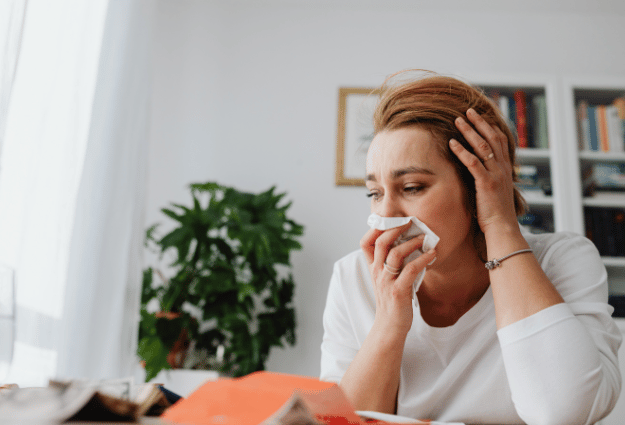
Are you tired of sneezing, itchy eyes, and a constantly runny nose? Seasonal allergies affect millions of Americans each year, making daily life uncomfortable and sometimes downright miserable. Finding the right treatments for seasonal allergies can make a significant difference in your quality of life. At MyInstantMD, we understand how disruptive these symptoms can be, which is why we’ve created this comprehensive guide to help you find relief.
TLDR: Key Points About Treating Seasonal Allergies
- Intranasal corticosteroids like fluticasone (Flonase) are the most effective first-line treatment for moderate to severe allergic rhinitis
- Second-generation antihistamines (Zyrtec, Claritin, Allegra) provide effective relief with minimal drowsiness
- Start medications 2-3 weeks before your typical allergy season for best results
- Environmental control measures like monitoring pollen counts, keeping windows closed, and using HEPA filters can significantly reduce symptoms
- Immunotherapy (allergy shots or sublingual tablets) is the only treatment that can provide long-term relief by modifying your immune response
Get Relief From Seasonal Allergies Today
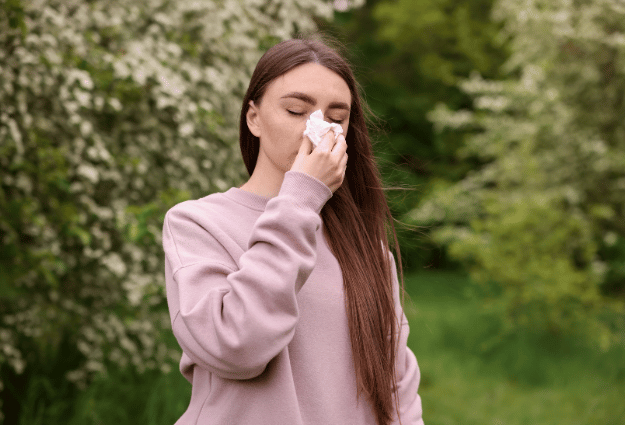
Don’t let seasonal allergies control your life. At MyInstantMD, our experienced physicians can evaluate your symptoms, provide personalized treatment recommendations, and prescribe appropriate medications if needed—all from the comfort of your home.
No need to wait days or weeks for an appointment or spend time in a waiting room full of other allergy sufferers. Simply answer a few questions about your symptoms, and one of our board-certified providers will review your case and provide a customized treatment plan, often within minutes.
Get Treatment Now and breathe easier this allergy season.
Understanding Seasonal Allergies and Their Symptoms
Seasonal allergies, also known as allergic rhinitis or hay fever, occur when your immune system overreacts to environmental allergens like pollen from trees, grasses, or weeds. When these allergens enter your body, your immune system mistakenly identifies them as harmful invaders and releases chemicals like histamine, which trigger allergy symptoms.
Common seasonal allergy symptoms include:
- Runny or stuffy nose
- Sneezing
- Watery, itchy eyes
- Nasal congestion
- Itchy throat or ears
- Postnasal drip
- Fatigue
- Headaches
The severity of these symptoms can vary widely from person to person, and they often worsen during specific allergy seasons when certain pollens are at their peak. Tree pollen is most prevalent in early spring, grass pollen dominates late spring and early summer, and weed pollen (particularly ragweed) peaks in late summer and fall.
Most Effective Treatments for Seasonal Allergies
Over-the-Counter Medications
1. Oral Antihistamines
Antihistamines work by blocking the action of histamine, the chemical your body releases during an allergic reaction. They’re particularly effective for symptoms like sneezing, itchy eyes, and runny nose. Second-generation antihistamines are generally preferred as they cause less drowsiness than older formulations.
Common over-the-counter oral antihistamines include:
- Cetirizine (Zyrtec)
- Loratadine (Claritin)
- Fexofenadine (Allegra)
- Levocetirizine (Xyzal)
2. Nasal Sprays
Nasal sprays are highly effective for treating seasonal allergies and come in several varieties:
- Corticosteroid nasal sprays: These are considered the most effective allergy medications for nasal symptoms. According to evidence-based clinical guidelines, intranasal corticosteroids are the first-line treatment for moderate to severe allergic rhinitis. They reduce inflammation and help with congestion, runny nose, sneezing, and itching. Examples include fluticasone propionate (Flonase), mometasone furoate (Nasonex), and budesonide (Rhinocort).
- Antihistamine nasal sprays: These work more quickly than oral antihistamines for nasal symptoms. Examples include azelastine (Astelin) and olopatadine (Patanase).
- Nasal decongestant sprays: These provide quick relief for nasal congestion but should only be used for 3 days or less to avoid rebound congestion.
3. Eye Drops

For those suffering primarily from eye-related allergy symptoms such as itchy, watery eyes, allergy eye drops can provide targeted relief. Options include antihistamine eye drops, mast cell stabilizers, or combination formulas.
Prescription Treatments
When over-the-counter options don’t provide adequate relief, it may be time to consult with a doctor online about prescription options:
1. Prescription-Strength Nasal Steroids
These are similar to over-the-counter versions but may contain different active ingredients or higher concentrations for more severe allergies.
2. Leukotriene Modifiers
Medications like montelukast (Singulair) block chemicals called leukotrienes, which contribute to allergy symptoms. These can be particularly helpful for people with both allergies and asthma.
3. Immunotherapy Options
For long-term relief, immunotherapy gradually exposes your body to increasing amounts of allergens to build tolerance:
- Allergy shots (subcutaneous immunotherapy): Regular injections of allergen extracts over 3-5 years can significantly reduce sensitivity to allergens and provide lasting relief even after treatment ends.
- Sublingual immunotherapy: Available as tablets or drops that dissolve under the tongue, this option works similarly to allergy shots but can be taken at home. As described by the American Academy of Allergy, Asthma & Immunology, this treatment is available for specific allergens like grass and ragweed pollen.
Environmental Control and Prevention Strategies
While medications treat symptoms, reducing exposure to allergens can significantly decrease your need for medications. Here are effective strategies recommended by allergy specialists:
1. Monitor Pollen Counts
Check daily pollen counts and plan outdoor activities when counts are lower, typically on rainy, cloudy, or windless days. Pollen counts are usually highest in the morning and on warm, dry, windy days.
2. Create an Allergen-Free Home
- Keep windows closed during high pollen season
- Use air conditioning with high-efficiency filters
- Change clothes and shower after being outdoors
- Use a HEPA air purifier in your bedroom
- Vacuum regularly with a HEPA-equipped vacuum
- Wash bedding weekly in hot water
3. Rinse Away Allergens
Nasal irrigation using a saline solution can physically flush pollen and other allergens from your nasal passages. According to Mayo Clinic, this simple technique can provide significant relief when used properly. Make sure to follow proper nasal irrigation techniques to ensure safety and effectiveness.
4. Timing Your Medications
For maximum effectiveness, start taking your allergy medications 2-3 weeks before your typical allergy season begins. This preemptive approach helps prevent the inflammation cascade before it starts, making symptoms easier to control.
Natural Remedies and Complementary Approaches
While scientific evidence for natural remedies is less robust than for pharmaceutical options, some people find relief with these approaches:
1. Local Honey
Some believe that consuming local honey may help build tolerance to local pollen, though scientific evidence remains limited.
2. Herbal Supplements
Certain herbs like butterbur, quercetin, and stinging nettle have shown some promise in reducing allergy symptoms in limited studies.
3. Acupuncture
Some research suggests acupuncture may help reduce allergy symptoms, though more studies are needed.
Remember that natural remedies aren’t regulated by the FDA in the same way as medications, so quality and potency can vary. Always discuss these options with your healthcare provider.
When to Seek Medical Help

While most people can manage seasonal allergies with over-the-counter treatments, you should consider getting effective treatment for seasonal allergies online if:
- Your symptoms significantly affect your quality of life
- Over-the-counter medications don’t provide adequate relief
- You experience side effects from allergy medications
- Your allergies trigger or worsen asthma symptoms
- You’re unsure if your symptoms are from allergies or another condition
Untreated allergies can sometimes lead to complications of untreated sinus issues like sinusitis, so don’t hesitate to seek medical advice if your symptoms persist.
Frequently Asked Questions About Seasonal Allergy Treatments
How do allergy shots work to treat seasonal allergies?
Allergy shots, also known as allergen immunotherapy, work by gradually exposing your immune system to increasing amounts of specific allergens. This process helps your body build tolerance over time, reducing your allergic reactions when you encounter these allergens naturally. The treatment typically involves getting injections once or twice a week for several months, followed by monthly maintenance shots for 3-5 years. Many patients experience significant long-term relief even after completing treatment, making it one of the few options that can modify the disease rather than just treating symptoms.
Can combining different allergy medications improve symptom control?
Yes, combining certain allergy medications can enhance effectiveness for managing multiple nasal symptoms and other allergy manifestations. However, it’s important to do so safely and appropriately. For example, using both an intranasal corticosteroid spray and an oral antihistamine can target different aspects of your allergic response. However, you should avoid combining medications with overlapping active ingredients, which could increase side effects. Always consult with a healthcare provider before combining allergy medications to ensure safety and optimal effectiveness.
How can I tell if my stuffy or runny nose is from allergies or a cold?
Distinguishing between allergies and a cold can be challenging, but there are key differences. Allergies typically cause clear nasal discharge, itchy eyes, nose, and throat, and symptoms that persist as long as you’re exposed to the allergen. Colds usually cause thicker, yellowish nasal discharge, sore throat, possible fever, and symptoms that gradually improve within 7-10 days. Seasonal allergic rhinitis also tends to occur at the same time each year, coinciding with specific pollen seasons, while colds can happen any time but are more common in winter months.
What are the best ways to relieve sneezing and itchy eyes during allergy season?
To relieve sneezing and itchy eyes during allergy season, a multi-faceted approach works best. Oral antihistamines can reduce both sneezing and eye symptoms, while antihistamine eye drops provide targeted relief specifically for itchy eyes. Using nasal steroids consistently can reduce overall inflammation and decrease sneezing episodes. Additionally, avoiding allergen exposure by keeping windows closed during high pollen counts, wearing sunglasses outdoors to protect eyes from pollen, and showering before bed to remove pollen from hair and skin can significantly reduce symptoms.
How do antihistamine nasal sprays differ from corticosteroid nasal sprays?
Antihistamine nasal sprays and corticosteroid nasal sprays work differently to treat allergy symptoms. Antihistamine nasal sprays (like azelastine) block histamine receptors in the nasal passages, providing relatively quick relief from symptoms like sneezing, itching, and runny nose, usually within 15-30 minutes. They’re good for immediate symptom relief but don’t address underlying inflammation. Corticosteroid nasal sprays (like fluticasone propionate) reduce inflammation in the nasal passages, addressing the root cause of symptoms but typically take days to reach full effectiveness. They’re better for long-term control of all nasal symptoms, including congestion, which antihistamines don’t treat as effectively.
Is sublingual immunotherapy as effective as allergy shots?
Sublingual immunotherapy (SLIT) and allergy shots (subcutaneous immunotherapy) both work to build tolerance to allergens, but they have different effectiveness profiles. Research shows that allergy shots generally provide more robust symptom relief and may be more effective for people with multiple allergies. However, sublingual immunotherapy offers advantages including convenience (taken at home), no needles, and a better safety profile with lower risk of serious allergic reactions. SLIT is currently FDA-approved for specific allergens like grass and ragweed pollen and dust mites, while allergy shots can be formulated for many different allergens. The choice between these options depends on your specific allergies, lifestyle, and preferences.