

Whooping cough, medically known as pertussis, is a highly contagious respiratory infection caused by the bacteria called Bordetella pertussis. Despite available vaccines, this infectious disease continues to affect thousands of people annually in the United States. Understanding what whooping cough is, how to recognize its symptoms, and knowing treatment options can help protect yourself and your loved ones from this potentially serious illness.
TLDR: What You Need to Know About Whooping Cough
- Whooping cough is a highly contagious respiratory infection caused by Bordetella pertussis bacteria, characterized by severe coughing fits that can last for weeks.
- Early symptoms resemble a common cold, making early diagnosis difficult, but prompt treatment with antibiotics is crucial for reducing severity and contagiousness.
- Infants younger than 12 months face the highest risk of serious complications; about half require hospitalization.
- Vaccination is the best prevention method: DTaP for children under 7 and Tdap for older children and adults, with special recommendations for pregnant women.
Ready for Expert Medical Care?
If you’re experiencing persistent coughing or other symptoms of whooping cough, don’t wait – early treatment is essential. MyInstantMD offers convenient, affordable online medical consultations with board-certified physicians who can evaluate your symptoms, provide an accurate diagnosis, and prescribe appropriate treatment if needed.
With MyInstantMD, you can receive care from the comfort of your home, avoid exposing others to potential infection, and get the treatment you need quickly. Get started with your online consultation today.
What is Whooping Cough?

Whooping cough (pertussis) is a respiratory infection characterized by severe coughing fits that can last for weeks or even months. The disease gets its name from the distinctive “whoop” sound that occurs when patients try to breathe in after a coughing episode. Bordetella pertussis bacteria attach to the cilia (tiny hair-like structures) in the respiratory tract, causing inflammation and mucus production that triggers the intense coughing.
The infection is spread through respiratory droplets when an infected person coughs or sneezes. Whooping cough is highly contagious, with up to 80% of susceptible household contacts becoming infected after exposure to someone with the disease.
Stages and Symptoms of Whooping Cough
Whooping cough typically progresses through three distinct stages, each with characteristic symptoms:
1. Catarrhal Stage (1-2 weeks)
The early symptoms of whooping cough often resemble those of a common cold, making early diagnosis challenging. Initial symptoms include:
- Mild, occasional cough
- Runny nose
- Low-grade fever
- Sneezing
During this stage, the infection is most contagious, yet most difficult to diagnose because the symptoms appear so mild.
2. Paroxysmal Stage (2-6 weeks)
As the infection progresses, the characteristic coughing fits begin:
- Rapid, consecutive coughs (paroxysms)
- Difficulty breathing during coughing episodes
- The distinctive “whoop” sound when inhaling after coughing
- Vomiting after coughing fits
- Face turning red or blue during severe episodes
This stage features the most recognizable symptoms of whooping cough. The intense coughing fits can be exhausting, disrupt sleep, and lead to complications, especially in infants and young children.
3. Convalescent Stage (2-3 weeks or longer)
During this recovery phase:
- Coughing gradually becomes less frequent and severe
- Normal activities can resume, though with caution
- Full recovery may take several weeks or months
Even during recovery, exposure to respiratory irritants or developing another respiratory infection may trigger coughing episodes.
Who’s at Highest Risk for Severe Complications?
While anyone can contract whooping cough, certain groups face a higher risk of developing severe complications:
- Infants under 12 months, especially those younger than 3 months who haven’t completed their initial vaccination series
- People with weakened immune systems
- Pregnant women in their third trimester
- Older adults with waning immunity
- Those with pre-existing respiratory conditions
For infants, whooping cough can be life-threatening. According to the CDC, about half of babies younger than 1 year who get whooping cough need hospital care, and 1 out of 100 hospitalized babies die from pertussis-related complications.
How is Whooping Cough Diagnosed?
If you suspect whooping cough, seeing a healthcare provider promptly is crucial. Diagnosis typically involves:
- Medical history and symptom evaluation: Your healthcare provider will ask about symptoms and potential exposure to infected individuals.
- Physical examination: To assess respiratory function and listen to your lungs.
- Laboratory tests: A mucus sample from the back of the throat or nose may be collected to identify Bordetella pertussis bacteria through culture or PCR testing.
Early diagnosis is essential for effective treatment and preventing the spread to others. If you’re experiencing persistent coughing episodes, you can get evaluated through online whooping cough treatment services that provide convenient access to healthcare professionals.
How is Whooping Cough Treated?

The primary treatment for whooping cough includes:
Antibiotics
Early treatment with antibiotics is crucial. According to the CDC’s treatment guidelines, antibiotics are most effective when started in the first 1-2 weeks of illness. Common antibiotics prescribed include:
- Azithromycin
- Clarithromycin
- Erythromycin
While antibiotics can help reduce symptom severity and contagiousness if given early, they may not alleviate symptoms once the cough is established.
Supportive Care
Managing the symptoms of whooping cough is important for recovery:
- Staying well-hydrated
- Getting plenty of rest
- Using a humidifier to loosen mucus
- Keeping the home free of irritants that trigger coughing
- Managing severe coughing fits through proper techniques
For infants and those with severe cases, hospitalization may be necessary to monitor breathing, provide oxygen, and prevent dehydration.
Preventing Whooping Cough
Prevention is always better than treatment, especially for a disease as contagious as whooping cough. Here are the key prevention strategies:
Vaccination
The pertussis vaccine is the most effective way to prevent whooping cough. The CDC recommends:
- DTaP vaccine: For children younger than 7 years
- 5 doses at ages: 2 months, 4 months, 6 months, 15-18 months, and 4-6 years
- Tdap vaccine: For older children, teens, and adults
- A booster dose for adolescents at 11-12 years of age
- One dose for adults who haven’t received it before
- During each pregnancy, preferably between weeks 27-36
The whooping cough vaccine provides excellent protection, though immunity may wane over time. Even vaccinated individuals can sometimes contract the disease, but their symptoms are typically less severe.
Additional Prevention Measures
- Cover coughs and sneezes
- Wash hands frequently
- Stay home when sick
- Keep infants away from anyone with a cough or cold
- Consider preventive antibiotics for high-risk household contacts of infected individuals
When to Seek Medical Care
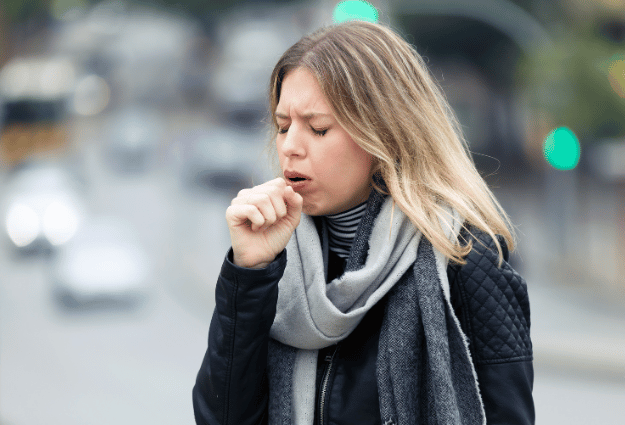
If you or your child develops symptoms of whooping cough, especially after known exposure to someone with the disease, seek medical care promptly. Through telemedicine services like MyInstantMD, you can connect with healthcare providers quickly for evaluation and treatment of respiratory infection symptoms.
Early treatment can significantly reduce the severity of symptoms and prevent spreading the infection to others, especially vulnerable infants.
Frequently Asked Questions About Whooping Cough
What causes whooping cough?
Whooping cough is caused by the Bordetella pertussis bacteria. When these bacteria enter the airways, they attach to the respiratory tract lining, producing toxins that cause swelling and inflammation, leading to the characteristic coughing fits.
How many whooping cough cases occur annually?
According to the Centers for Disease Control and Prevention, whooping cough cases fluctuate each year, with epidemics occurring every 3-5 years. In recent years, the United States has seen between 10,000 and 50,000 whooping cough cases annually, with higher numbers during outbreak years.
When do the coughing fits begin after exposure?
After exposure to whooping cough, symptoms typically develop within 7-10 days, though it can take up to 21 days. The mild cold-like symptoms appear first, with coughing fits beginning about 1-2 weeks after initial symptoms start.
Should pregnant women be concerned about whooping cough?
Yes, pregnant women should be vaccinated against whooping cough during the third trimester of each pregnancy. This provides protection for both the mother and passes antibodies to the baby, offering protection during the first months of life when infants are most vulnerable.
Can someone with an occasional cough have whooping cough?
Possibly. Not everyone with whooping cough develops the characteristic “whoop” sound or severe coughing fits. Some people, especially partially immunized teens and adults, may only experience a persistent, occasional cough without other classic symptoms, making the disease harder to recognize.
How can I protect infants younger than 2 months who are too young for vaccination?
To protect babies younger than 2 months who are at greatest risk:
- Ensure all family members and caregivers are up-to-date on whooping cough vaccinations (creating a “cocoon” of protection)
- Keep the infant away from anyone with cough illness
- Consider preventive antibiotics if the infant has been exposed
- Pregnant women should get vaccinated during their third trimester