
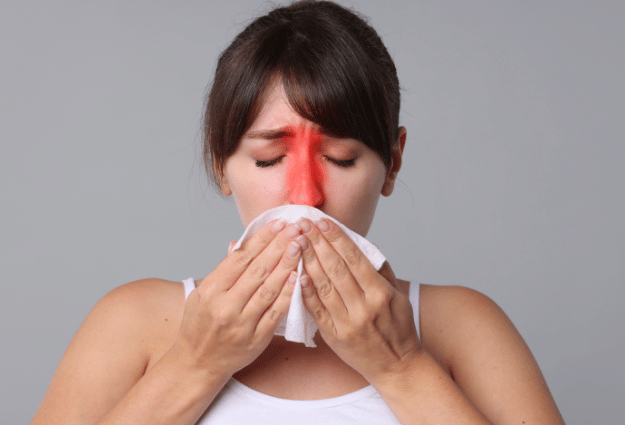
A sinus infection, also known as sinusitis, can disrupt your daily routine with uncomfortable symptoms that range from nasal congestion to facial pain. If you’re suffering from a sinus infection, one of your first questions is likely “how long does a sinus infection last?” The answer depends on several factors including the type of infection, underlying causes, and your treatment approach.
TLDR: Key Takeaways About Sinus Infection Duration
- Acute viral sinus infections typically last 7-10 days and resolve without antibiotics
- Bacterial sinus infections last longer (10-14 days or more) and may require antibiotic treatment
- Chronic sinusitis persists for 12+ weeks and often requires comprehensive treatment
- Home remedies like nasal irrigation, steam inhalation, and hydration can speed recovery
- Seek medical attention if symptoms last more than 10 days, are severe, or worsen after improving
Get Effective Sinus Infection Treatment Now
Don’t suffer through a sinus infection longer than necessary. At MyInstantMD, our providers can evaluate your symptoms, determine if your infection is viral or bacterial, and create a customized treatment plan—all from the comfort of your home.
For just $59.99, you can receive prompt medical attention and appropriate prescriptions delivered to your preferred pharmacy. Our process is simple: answer a few questions about your symptoms, receive a personalized treatment plan from our providers, and get relief quickly.
Get Started with Sinus Infection Treatment Today
Types of Sinus Infections and Their Duration

Sinus infections are classified based on how long they persist, and this classification helps determine appropriate treatment approaches.
Acute Sinusitis (Short-Term)
Acute sinusitis typically lasts between 7-10 days, though some cases may extend to 4 weeks. This is the most common type of sinus infection, often following a cold or allergic episode. Viral infections cause about 90% of acute sinusitis cases, with bacterial sinus infections accounting for the remainder.
According to the Cleveland Clinic, acute sinusitis symptoms include:
- Nasal congestion and stuffy nose
- Thick, discolored nasal discharge
- Facial pain or pressure, especially around the nose, eyes, and forehead
- Reduced sense of smell and taste
- Headache
- Fatigue
Most acute sinus infections resolve on their own with supportive home care. If symptoms persist beyond 10 days or worsen after initial improvement, this may indicate a bacterial infection requiring medical treatment.
Subacute Sinusitis (Medium-Term)
Subacute sinusitis lasts between 4 and 12 weeks. This middle ground between acute and chronic sinusitis often results from inadequately treated acute infections or may indicate underlying issues that prevent normal healing.
Chronic Sinusitis (Long-Term)
Chronic sinusitis persists for 12 weeks or longer despite treatment attempts. This condition affects approximately 11% of American adults and can significantly impact quality of life.
Several factors can contribute to chronic sinus infections:
- Nasal polyps (growths in the nasal passages)
- Deviated septum
- Ongoing allergies
- Repeated infections
- Immunodeficiency conditions
Patients with chronic sinusitis require a comprehensive treatment approach that addresses both infection and underlying causes. In many cases, online sinus infection treatment can help manage symptoms and develop a long-term care plan.
Recurrent Sinusitis
Some patients experience multiple distinct episodes of acute sinusitis within a year, with symptom-free periods between infections. This pattern indicates the need to identify and address underlying risk factors.
Viral vs. Bacterial Sinus Infections: Impact on Duration

The cause of your sinus infection significantly affects how long it will last.
Viral Sinus Infections
According to the CDC, viral infections cause most acute sinus infections and typically follow this timeline:
- Symptoms begin improving within 5-7 days
- Complete resolution usually occurs within 7-10 days
- Antibiotics are not effective against viral infections
Bacterial Sinus Infections
Bacterial sinusitis tends to last longer and often follows these patterns:
- Symptoms persist beyond 10 days without improvement
- Symptoms initially improve but then worsen again (“double worsening”)
- Symptoms are unusually severe from the beginning
When bacterial sinus infections are diagnosed, antibiotics may be prescribed. Even with appropriate antibiotic treatment, symptoms may take 10-14 days to resolve completely.
Factors That Affect Sinus Infection Duration
Several factors can influence how long your sinus infection lasts:
1. Treatment Timing and Approach
Early intervention can significantly shorten the duration of a sinus infection. When symptoms first appear, supporting your body’s natural healing processes through adequate hydration, rest, and appropriate over-the-counter medications can help prevent the infection from worsening.
For bacterial infections, starting antibiotics promptly when indicated can reduce the overall duration. However, according to the Mayo Clinic, antibiotics should be used judiciously to prevent antibiotic resistance.
2. Underlying Health Conditions
Certain health conditions can prolong sinus infection recovery:
- Allergic rhinitis
- Asthma
- Immune system disorders
- Cystic fibrosis
- Structural issues like a deviated septum
Managing these underlying conditions is essential for preventing prolonged or recurring sinus infections.
3. Environmental Factors
Your environment plays a significant role in sinus health:
- Dry air can thicken mucus and block normal sinus drainage
- Pollutants and irritants can inflame nasal passages
- Allergens can trigger ongoing inflammation
Using a humidifier and reducing exposure to irritants can support faster recovery.
4. Lifestyle Factors
Several lifestyle elements affect how quickly you recover:
- Hydration: Drinking plenty of fluids thins mucus secretions
- Sleep: Adequate rest supports immune function
- Stress: High stress levels can impair immune response
- Smoking: Tobacco use irritates and inflames nasal passages
Timeline for Sinus Infection Symptoms and Recovery
Understanding the typical progression of a sinus infection can help you know what to expect:
Days 1-3: Early Stage
- Cold-like symptoms develop
- Nasal congestion begins
- Facial pain or pressure may start
- Discharge is typically clear
Days 4-7: Peak Symptoms
- Symptoms intensify
- Nasal discharge may thicken and change color
- Facial pain or pressure increases
- Sense of smell and taste diminishes
Days 7-10: Resolution Phase (for viral infections)
- Symptoms begin improving
- Congestion decreases
- Facial pain diminishes
- Energy levels improve
Beyond 10 Days
- Viral infections should show significant improvement
- Persistent or worsening symptoms suggest bacterial infection
- Medical evaluation may be needed
Effective Treatment Options to Speed Recovery
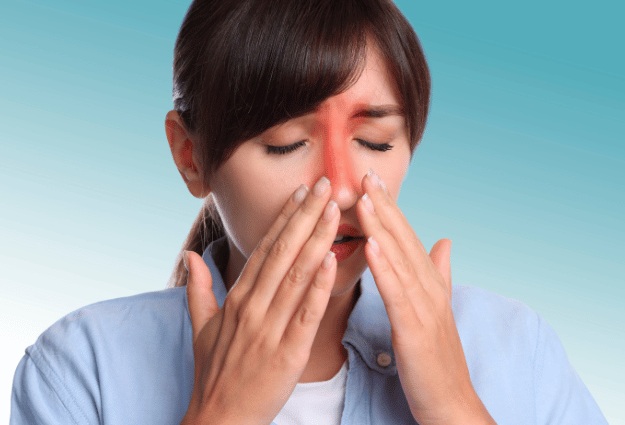
The right treatment approach can significantly reduce how long your sinus infection lasts.
Home Remedies and Self-Care
These approaches support your body’s natural healing:
- Saline Nasal Irrigation: Using nasal rinses with sterile saline solution helps clear mucus and irritants from nasal passages. According to Healthline, this is one of the most effective home remedies.
- Steam Inhalation: Breathing warm, moist air helps loosen mucus and reduce congestion. Try:
- Hot showers
- Bowl of hot water with a towel over your head
- Humidifier in your bedroom
- Hydration: Drinking plenty of fluids thins mucus secretions, making them easier to clear. Aim for at least 8 glasses of water daily.
- Rest: Adequate sleep gives your body the resources to fight infection effectively.
- Warm Compresses: Applying a warm, damp towel to your face can help relieve sinus pressure and pain.
For more strategies, see our guide on how to relieve sinus pressure.
Over-the-Counter Medications
Several OTC options can provide symptom relief:
- Pain Relievers: Acetaminophen or ibuprofen can reduce pain and inflammation.
- Decongestants: These medications shrink swollen nasal passages but should be used for no more than 3-5 days to avoid rebound congestion.
- Saline Sprays: These can moisturize nasal passages and help clear mucus.
- Nasal Steroid Sprays: Steroid nasal sprays reduce inflammation but may take several days to reach maximum effectiveness.
Prescription Treatments
For bacterial infections or severe cases, medical intervention may be necessary:
- Antibiotics: The American Academy of Family Physicians recommends antibiotics only for confirmed bacterial infections, typically prescribed for 5-10 days.
- Prescription-Strength Decongestants: These may be recommended for severe congestion.
- Oral or Injectable Steroids: For severe inflammation, especially with nasal polyps.
At MyInstantMD, our providers can evaluate your symptoms online and prescribe appropriate treatments for faster recovery. In most cases, you’ll receive your treatment plan within minutes of your virtual visit.
When to Seek Medical Attention
While most sinus infections resolve with time and self-care, some situations require professional medical evaluation:
- Symptoms lasting more than 10 days without improvement
- Severe symptoms, especially high fever over 101.5°F
- Symptoms that improve but then worsen again
- Severe headache, especially if it’s different from your usual sinus headaches
- Swelling around the eyes or changes in vision
- Confusion or stiff neck
Some patients wonder if a sinus infection can cause dizziness or other unusual symptoms. If you’re experiencing concerning symptoms beyond the typical sinus complaints, it’s best to consult with a healthcare provider.
Frequently Asked Questions About Sinus Infections
How can I tell if my sinus infection is viral or bacterial?
Viral sinusitis typically improves within 7-10 days, while bacterial sinusitis persists beyond 10 days or worsens after initial improvement. Viral infections often begin with cold symptoms, while bacterial infections may cause more severe symptoms including thick, discolored nasal discharge. However, only a healthcare provider can definitively diagnose the cause of your sinusitis symptoms.
Can allergic rhinitis lead to sinus infections?
Yes, allergic reactions can cause inflammation in the nasal passages, blocking normal sinus drainage and creating an environment where infections thrive. Managing seasonal allergies with appropriate treatments can help prevent sinus infections. Consider seasonal allergy treatment online if allergies frequently trigger your sinus problems.
How can I prevent sinus infections from recurring?
To prevent sinus infections:
- Wash hands frequently to avoid viral infections
- Manage allergies effectively
- Use a humidifier in dry environments
- Avoid smoking and secondhand smoke
- Consider nasal irrigation to remove irritants
- Support your immune system through good nutrition, adequate sleep, and stress management
Do I need antibiotics for my sinus infection?
Most sinus infections (approximately 70%) resolve without antibiotics. However, you may need antibiotics if your infection is bacterial, indicated by symptoms lasting more than 10 days, severe symptoms from the onset, or symptoms that worsen after initial improvement. Over-the-counter medicines can often provide relief while your body fights the infection.
Can sinus infections cause bad breath?
Yes, sinus infections often cause bad breath due to postnasal drip, where infected mucus drips down the back of your throat, creating an environment for odor-causing bacteria. Addressing the underlying infection and practicing good oral hygiene can help manage this symptom.
Are fungal infections in the sinuses common?
Fungal infections of the sinuses are relatively rare and typically affect people with weakened immune systems, uncontrolled diabetes, or those taking immune-suppressing medications. These infections often require specialized treatment and sometimes surgical intervention.