

Urinary infections are common, but not all urinary infections are the same. A basic bladder infection may be uncomfortable and disruptive, while a kidney infection can become serious if treatment is delayed. Many people assume every urinary symptom is just a simple UTI, but knowing the difference matters.
This guide explains how UTIs and kidney infections differ, what symptoms to watch for, when to seek urgent care, and how online UTI treatment options may help patients address early symptoms quickly.
What Is a UTI?
A urinary tract infection usually refers to an infection affecting the bladder or urethra. Most are caused by bacteria, often E. coli, entering the urinary tract. UTIs are especially common in women, though men can develop them too.
According to national health data, millions of U.S. medical visits each year are related to urinary tract infections. Early treatment can reduce pain, shorten symptom duration, and lower the risk of spread.
Common lower UTI symptoms include:
- Burning during urination
- Frequent urge to urinate
- Passing small amounts of urine
- Cloudy urine
- Strong urine odor
- Pelvic pressure
- Mild lower abdominal discomfort
Many patients begin care through a quick virtual doctor appointment when symptoms first appear.
What Is a Kidney Infection?
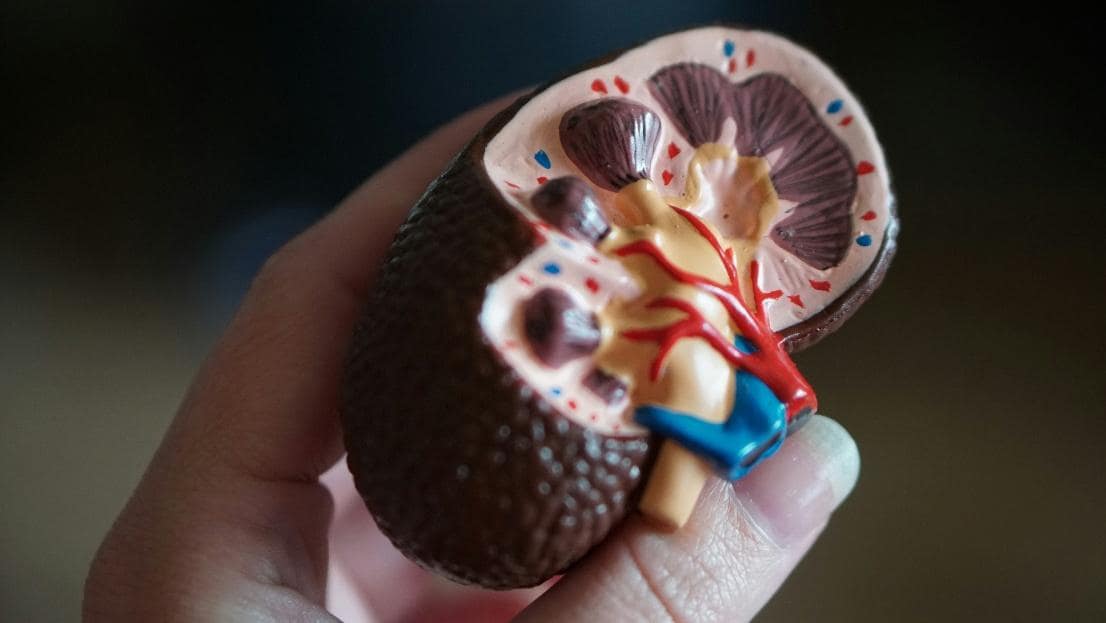
A kidney infection, also called pyelonephritis, happens when bacteria travel upward from the bladder into one or both kidneys. This is more serious than a routine bladder infection because the kidneys help filter waste, regulate fluids, and support blood pressure control.
Untreated kidney infections can lead to hospitalization, bloodstream infection, kidney damage, or severe illness. In 2026, clinicians continue emphasizing faster recognition because delayed treatment raises complication risk.
Key Symptom Differences Between a UTI and Kidney Infection
Understanding symptom severity often helps distinguish the two.
Symptoms More Common With a Lower UTI
A bladder infection often causes:
- Burning urination
- Frequent urination
- Urgency
- Pressure in the bladder area
- Mild discomfort
- Cloudy or bloody urine
Many people with these symptoms seek UTI treatment online for timely evaluation.
Symptoms More Common with a Kidney Infection
A kidney infection may include:
- Fever
- Chills
- Back pain or side pain near the ribs
- Nausea
- Vomiting
- Fatigue
- Feeling weak or ill
- Confusion in older adults
- UTI symptoms plus worsening pain
Pain is often felt in the flank area, one or both sides of the back beneath the ribs.
If fever or flank pain appears, in-person urgent medical care may be more appropriate than standard telehealth alone.
Why a UTI Can Turn into a Kidney Infection
Not every untreated UTI becomes a kidney infection, but the risk exists when bacteria move upward through the urinary tract.
Risk factors include:
- Delayed treatment
- Recurrent UTIs
- Kidney stones
- Pregnancy
- Diabetes
- Immune suppression
- Urinary blockage
- Enlarged prostate in men
- Catheter use
That is why many patients choose a same-day virtual doctor appointment once symptoms start.
Who Is at Higher Risk?
Women
Women experience UTIs more often because of anatomy. The female urethra is shorter than the male urethra, which can allow bacteria easier access to the bladder. The urethral opening is also closer to the rectal area, increasing the chance of bacterial transfer. Hormonal changes, menopause, sexual activity, and a prior history of infections can also raise risk. Because symptoms may develop quickly, early treatment is often helpful in preventing worsening discomfort or recurrence.
Men
UTIs are less common in younger men, so when they do occur, healthcare providers may look more closely for underlying causes. These can include prostate enlargement, urinary retention, kidney stones, recent catheter use, or narrowing of the urinary tract. Men may also experience slower urine flow, hesitancy, or a feeling of incomplete bladder emptying. Since infections in men can sometimes be more complicated, prompt evaluation is important.
Older Adults
Symptoms in older adults can be less typical than in younger patients. Instead of classic burning or urgency, some may develop weakness, confusion, falls, fatigue, poor appetite, or dehydration. Existing medical conditions can also make infections harder to recognize early. Because symptoms may appear subtle at first, caregivers and family members should pay attention to sudden changes in behavior, mobility, or alertness.
Pregnant Patients
UTIs during pregnancy should be evaluated promptly because untreated infections can lead to complications for both the mother and baby. Pregnancy changes the urinary tract in ways that can increase infection risk, including slower urine flow and pressure on the bladder. Even mild symptoms deserve attention, since an untreated infection may progress to a kidney infection more easily during pregnancy. Timely medical care helps protect overall maternal and fetal health.
How Doctors Diagnose the Difference
Healthcare providers may use:
- Symptom review
- Medical history
- Urinalysis
- Urine culture
- Temperature and vital signs
- Imaging in select cases
- Blood testing if severe illness is suspected
Mild uncomplicated symptoms may start with an online doctor consultation option. More severe symptoms often require in-person testing.
Can Telehealth Help?
For many early bladder infection symptoms, telehealth can be a practical first step. A licensed provider can review symptoms, allergies, prior infections, pregnancy status, and warning signs.
When clinically appropriate, treatment recommendations may be provided. If symptoms suggest kidney involvement, patients are usually directed to urgent in-person care.
When to Seek Immediate Medical Attention
Do not delay care if you have:
- Fever with urinary symptoms
- Back or side pain
- Vomiting
- Rapid worsening symptoms
- Severe weakness
- Blood in urine with pain
- Pregnancy with urinary symptoms
- Trouble keeping fluids down
- Confusion or dizziness
These signs may suggest a kidney infection or another urgent condition.
Treatment Differences
Lower UTI Treatment
Many uncomplicated UTIs are treated with antibiotics, hydration guidance, and symptom monitoring. Prompt treatment often improves symptoms within a few days.
Kidney Infection Treatment
Kidney infections may require:
- Stronger antibiotics
- Longer treatment courses
- IV fluids
- Emergency department evaluation
- Hospital admission in serious cases
This is why it is risky to assume severe symptoms are “just a UTI.”
Prevention Tips
Whether you are prone to bladder infections or concerned about kidney complications, prevention matters.
- Stay hydrated
- Do not hold urine too long
- Urinate after sexual activity
- Manage blood sugar if diabetic
- Seek early treatment for symptoms
- Follow prescribed antibiotics exactly
- Address kidney stone or prostate issues
Common Mistakes to Avoid
Ignoring Mild Symptoms
Burning and urgency may seem minor at first, but delaying care can increase discomfort and risk.
Stopping Antibiotics Early
Even if symptoms improve, incomplete treatment can lead to recurrence.
Self-Diagnosing Every Time
Not every urinary symptom is a UTI. Similar symptoms may come from stones, vaginal infections, prostatitis, or irritation.
Waiting Through Fever
Fever plus urinary symptoms deserves prompt evaluation.
Final Thoughts
A lower UTI usually affects the bladder and causes burning, urgency, and discomfort. A kidney infection often brings fever, flank pain, nausea, and stronger systemic symptoms. Knowing the difference can help you seek treatment sooner and avoid complications.
If symptoms are mild and early, online UTI treatment may be a convenient first step. If symptoms are severe, worsening, or include fever or back pain, urgent in-person care is important.
Get Fast Support With MyInstantMD
Need answers today? MyInstantMD offers convenient virtual care for eligible everyday health concerns. Start an easy tele doctor appointment, request a quick virtual doctor online evaluation to get the help you need.