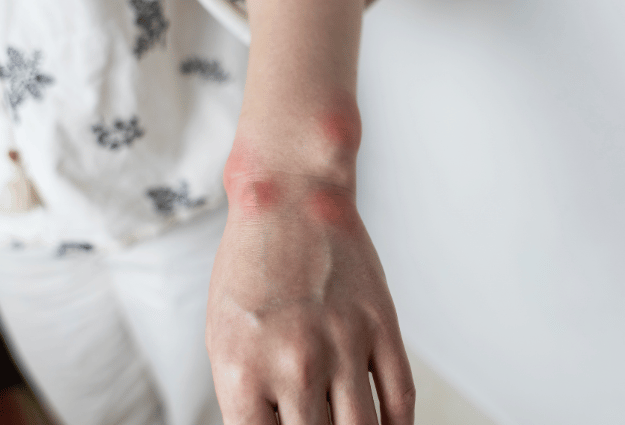
An allergic reaction to an insect bite or sting can range from mildly uncomfortable to life-threatening. Understanding how to identify and treat these reactions is essential for everyone, especially those who spend time outdoors. This guide covers everything you need to know about treatment for allergic reaction to insect bite, from home remedies to when emergency care is necessary.
TLDR: Key Points About Insect Bite Allergic Reaction Treatment
- Minor allergic reactions can typically be treated at home with cold compresses, over-the-counter antihistamines, and topical creams.
- Local allergic reactions cause swelling beyond the immediate bite site but don’t typically require emergency care.
- Severe allergic reactions require immediate medical attention—call 911 or go to the nearest emergency room.
- If you have a known insect allergy, carry an epinephrine auto-injector and wear medical identification.
- Prevention is key—use insect repellent, wear protective clothing, and be aware of your surroundings when outdoors.
Get Treatment for Insect Bite Reactions Online
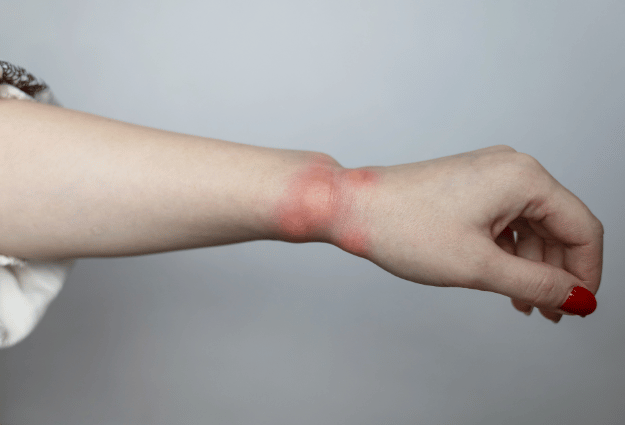
If you’re experiencing symptoms of an allergic reaction to an insect bite that aren’t severe but are concerning, don’t wait for the problem to worsen. At MyInstantMD, our healthcare providers can evaluate your symptoms, recommend appropriate treatment, and even prescribe medications if necessary—all from the comfort of your home.
Our online consultations are quick, convenient, and affordable, making it easy to get the care you need when you need it. Whether you’re dealing with insect bites, skin rashes, or other acute conditions, we’re here to help.
Get started with your online consultation today and take the first step toward relief from your insect bite reaction.
Understanding Insect Bite and Sting Allergies
When certain biting insects or stinging insects pierce your skin, they inject saliva or venom that contains proteins foreign to your body. For most people, this causes a normal, localized reaction. However, approximately 5-7% of people develop an insect allergy, where the immune system overreacts to these proteins.
The most common culprits behind allergic reactions include:
- Bees, wasps, hornets, and yellow jackets (insect sting)
- Mosquitoes, fleas, and bedbugs (bug bites)
- Fire ants (both bite and sting)
- Ticks (which can transmit diseases and cause allergies)
The difference between a normal reaction and an allergic reaction lies in how your immune system responds to the bite or sting. Let’s explore the different types of reactions you might experience.
Types of Reactions to Insect Bites and Stings
Normal Reactions
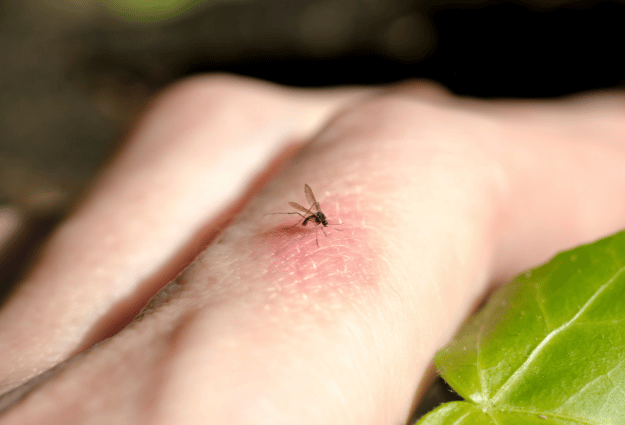
A normal reaction to bites and stings typically includes:
- Pain at the site
- Redness
- Swelling limited to the affected area
- Itching
- Warmth around the bite site
- Minor swelling that resolves within a day or two
These symptoms usually don’t require medical attention and can be managed at home.
Local Allergic Reactions
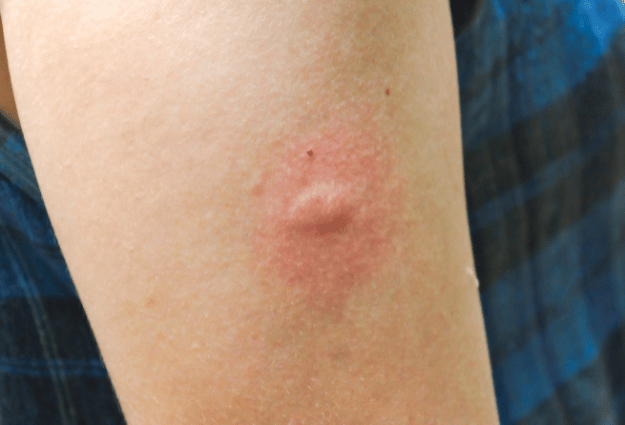
Local allergic reactions are more pronounced than normal reactions but remain confined to the area around the bite or sting. Symptoms include:
- Significant swelling extending beyond the bite site
- Increased redness and pain
- Swelling that persists for several days
- Intense itching
These reactions can be uncomfortable but aren’t usually dangerous.
Severe Allergic Reactions and Anaphylaxis
A severe allergic reaction or anaphylaxis is a serious, potentially life-threatening allergic reaction that requires immediate treatment. Signs include:
- Widespread hives or rash beyond the sting site
- Swelling of the face, lips, tongue, or throat
- Trouble breathing or wheezing
- Dizziness or fainting
- Rapid heartbeat
- Nausea, vomiting, or abdominal pain
- A feeling of impending doom
If you or someone near you experiences these symptoms after an insect bite or sting, this is a medical emergency. Call 911 or seek emergency care immediately.
Home Treatment for Minor Allergic Reactions to Insect Bites
For minor allergic reactions to insect bites, several home remedies can provide relief:
- Remove the stinger (if present): If you’ve been stung by a bee, remove the stinger as quickly as possible by scraping it out with a fingernail or credit card. Don’t use tweezers, as squeezing the venom sac can release more venom.
- Clean the area: Gently wash the affected area with soap and water to prevent infection.
- Apply cold compresses: Use ice wrapped in a towel for 10-15 minutes at a time to relieve swelling and pain.
- Take over-the-counter medications:
- Oral antihistamines like Benadryl (diphenhydramine) or non-drowsy options like Claritin (loratadine) can reduce itching and swelling
- Pain relievers such as ibuprofen or acetaminophen can help with discomfort
- Topical creams containing hydrocortisone can reduce inflammation
- Apply soothing creams or lotions: Calamine lotion or aloe vera can help relieve itching.
- Elevate the area: If the bite or sting is on a limb, elevate it to reduce swelling.
These home remedies are generally effective for minor reactions. However, if symptoms worsen or don’t improve within a few days, it may be time to seek medical care.
When to Seek Medical Care for Insect Bite Allergic Reactions
You should consult a healthcare provider if:
- Swelling continues to increase after 24-48 hours
- You develop a fever
- The bite area becomes increasingly red, warm, and painful
- You develop a spreading rash
- The bite shows signs of infection (increasing pain, redness, warmth, swelling, or discharge)
- You have a known severe insect allergy and have been exposed to that insect
At MyInstantMD, we offer online insect bite treatment that provides convenient access to medical professionals who can evaluate your reaction and recommend appropriate treatment.
Emergency Treatment for Severe Reactions
For a severe allergic reaction or anaphylaxis, emergency treatment is required. Here’s what to do:
- Call 911 or go to the nearest emergency room immediately.
- If available, administer an epinephrine auto-injector (like an EpiPen) as directed.
- Lay the person flat and elevate their legs unless they’re having trouble breathing.
- If they are unconscious but breathing, put them in the recovery position (on their side).
- If trained and needed, perform CPR if the person stops breathing or doesn’t have a pulse.
According to the American Academy of Allergy, Asthma & Immunology, epinephrine is the first-line treatment for anaphylaxis and should be administered as soon as possible when a severe reaction occurs.
Medical Treatments for Insect Bite Allergic Reactions
When you seek medical care for an insect bite reaction, your healthcare provider may recommend:
For Mild to Moderate Reactions:
- Prescription-strength antihistamines
- Oral corticosteroids to reduce inflammation
- Prescription-strength topical steroids
- Antibiotics if there’s an infection
For Severe Allergic Reactions:
- Epinephrine injection
- Intravenous antihistamines
- IV corticosteroids
- Oxygen therapy
- Intravenous fluids
- Bronchodilators for breathing difficulties
- Hospitalization for monitoring
Diagnostic Testing
If you’ve had a significant reaction to an insect bite or sting, your doctor might recommend:
- Skin testing to identify specific insect allergies
- Blood tests to measure antibodies to specific insect venoms
- Physical examination to assess the extent of the reaction
These tests help determine your risk for future reactions and guide treatment decisions.
Long-term Management of Insect Sting Allergies
For people with confirmed stinging insect allergy, particularly those who have experienced a serious reaction, long-term management may include:
Venom Immunotherapy (Allergy Shots)
The American College of Allergy, Asthma and Immunology reports that venom immunotherapy is highly effective at preventing future severe reactions to insect stings. This treatment involves regular injections of small amounts of insect venom, gradually increasing the dose to build tolerance.
Emergency Action Plan
People with known severe insect allergies should:
- Always carry an epinephrine auto-injector
- Wear medical alert identification
- Develop an emergency action plan
- Inform friends, family, and coworkers about their allergy
Prevention Strategies
According to the CDC, you can reduce your risk of insect bites and stings by:
- Wearing protective clothing (long sleeves, pants, closed shoes)
- Using insect repellent as directed
- Avoiding scented products when outdoors
- Being careful around flowering plants, garbage, and food
- Installing window and door screens at home
- Being vigilant in areas where insects nest or gather
- Checking clothing and body for insects after being outdoors
If you have seasonal allergies, you might be more susceptible to certain insect allergies, making prevention even more important.
Frequently Asked Questions About Insect Bite Allergic Reactions
What is the difference between a local and a generalised allergic reaction to insect stings?
A localised symptom is confined to the area around the bite or sting, while a generalised allergic reaction affects the entire body. Generalized reactions can include widespread hives, difficulty breathing, dizziness, and other symptoms affecting multiple body systems. These systemic reactions require immediate medical attention.
How can I tell the difference between bee stings and wasp stings?
Bee stings leave behind a barbed stinger in your skin, while wasp stings typically don’t. Bees can only sting once because they die after leaving their stinger, whereas wasps can sting multiple times. Both can cause allergic reactions, but the symptoms and treatment are generally the same.
What are the risk factors for developing severe insect allergies?
Risk factors for severe reactions include:
- Previous allergic reaction to the same insect
- Family history of insect allergies
- Certain occupations (beekeepers, gardeners, construction workers)
- Underlying health conditions like mastocytosis
- Taking certain medications like beta-blockers
How do I avoid bug bites when spending time outdoors?
To avoid bug bites, wear long sleeves and pants, use EPA-registered insect repellents, avoid outdoor activities during peak insect activity (dawn and dusk), and stay away from areas where insects nest. Check yourself and your clothing regularly when outdoors, especially after walking through wooded or grassy areas.
What’s the difference between tick bites and other insect bites?
Tick bites often go unnoticed until the tick has been attached for some time. Unlike most insect bites that cause immediate discomfort, tick attachments might not be painful. Tick allergy can develop after repeated exposure, and ticks can also transmit diseases like Lyme disease and Rocky Mountain spotted fever, making prompt and proper removal essential. If you find a tick, learn more about tick bite treatment.
When should I seek emergency care for an insect bite reaction?
Seek emergency care immediately if you experience:
- Difficulty breathing
- Swelling of the face, lips, tongue, or throat
- Dizziness or fainting
- Rapid heartbeat
- Nausea or vomiting
- A drop in blood pressure
- Hives or rash spreading beyond the bite site
These symptoms indicate anaphylaxis, a potentially life-threatening condition requiring immediate medical attention.