
Bacterial vaginosis (BV) affects millions of women each year, making it the most common vaginal condition for women of reproductive age. Despite its prevalence, many women struggle to find effective treatment options and suffer through multiple recurrences. In this comprehensive guide, we’ll explore the most effective ways to treat bacterial vaginosis, recognize its symptoms, understand its causes, and learn when to seek professional medical help through convenient telemedicine services like MyInstantMD.
TLDR: Key Points About Treating Bacterial Vaginosis
- Bacterial vaginosis occurs when harmful bacteria overgrow in the vagina, disrupting the normal bacterial balance
- Common symptoms include thin, grayish-white discharge with a fishy odor, though many women have no symptoms
- Prescription antibiotics like metronidazole and clindamycin are the most effective treatments
- Without treatment, BV can increase risk of STIs and cause complications during pregnancy
- Recurrence is common, affecting 50-70% of women within months of treatment
- MyInstantMD offers convenient online diagnosis and treatment for bacterial vaginosis
Ready to Treat Your Bacterial Vaginosis?
Don’t wait to address your symptoms. MyInstantMD makes it easy to get professional treatment for bacterial vaginosis from the privacy of your home. Our licensed healthcare providers can evaluate your symptoms, provide a diagnosis, and prescribe appropriate medication—all online, without the need for an in-person visit.
Get started with MyInstantMD today and take the first step toward resolving your bacterial vaginosis symptoms and improving your vaginal health.
Understanding Bacterial Vaginosis: What You Need to Know

Bacterial vaginosis occurs when the normal balance of bacteria in the vagina gets disrupted. In a healthy vagina, beneficial Lactobacillus bacteria maintain slightly acidic conditions that keep other bacteria in check. When this balance shifts, harmful bacteria multiply excessively, leading to BV.
Unlike a yeast infection, which is caused by an overgrowth of fungus, bacterial vaginosis is caused by an imbalance of bacteria in your vaginal microbiome. Understanding this difference is crucial, as many women confuse these two common vaginal infections, leading to incorrect self-treatment and prolonged symptoms.
Recognizing Bacterial Vaginosis Symptoms
Identifying bacterial vaginosis symptoms is the first step toward getting proper treatment. Common signs include:
- Thin, gray, white, or green vaginal discharge that smoothly coats the vaginal walls
- Fishy-smelling vaginal odor, especially after sex
- Vaginal itching or irritation
- Burning during urination
- Vaginal discomfort
It’s important to note that about 50-75% of women with bacterial vaginosis experience no symptoms at all. This asymptomatic bacterial vaginosis can still cause complications and may be discovered during routine gynecological exams.
What Causes Bacterial Vaginosis?
While the exact cause of bacterial vaginosis isn’t fully understood, several factors can increase your risk:
- Multiple or new sex partners
- Lack of condom use
- Douching or excessive vaginal cleaning
- Use of vaginal deodorants or perfumed products
- Natural changes in hormone levels during menstruation
- IUD contraception
- Smoking
Recent research suggests that bacterial vaginosis may be sexually transmitted between partners. Studies have found that treating male sexual partners of women with recurrent BV can significantly reduce recurrence rates, suggesting that BV-associated bacteria can be passed back and forth between partners.
How to Diagnose Bacterial Vaginosis
Healthcare providers diagnose bacterial vaginosis by evaluating symptoms and performing tests. According to the CDC’s treatment guidelines for bacterial vaginosis, diagnosis typically involves:
- Examining vaginal discharge characteristics
- Measuring vaginal pH (usually above 4.5 with BV)
- Performing a “whiff test” where a drop of potassium hydroxide is added to a sample of discharge (a fishy odor confirms BV)
- Looking for “clue cells” (vaginal cells covered with bacteria) under a microscope
These criteria, known as the Amsel criteria, help diagnose bacterial vaginosis when at least three of the four are present. More advanced laboratories may use the Nugent score, which evaluates bacterial types and quantities from a vaginal swab sample.
Fortunately, with the advancement of telemedicine services like MyInstantMD’s online doctor consultations, you can now get diagnosed and treated for bacterial vaginosis without an in-person visit in many cases. This convenience has made it easier than ever to treat bacterial vaginosis quickly and discreetly.
Effective Bacterial Vaginosis Treatment Options
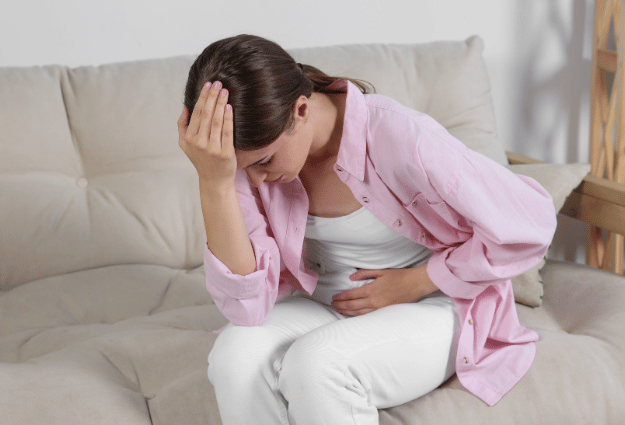
The good news is that bacterial vaginosis is treatable, and several effective options are available. Let’s explore how to treat bacterial vaginosis using both prescription medications and supportive approaches.
Prescription Treatments for Bacterial Vaginosis
The most effective way to treat bacterial vaginosis is with prescription antibiotics. According to the Centers for Disease Control and Prevention, first-line treatments include:
- Oral Metronidazole: Usually prescribed as 500 mg twice daily for 7 days. This is the most commonly prescribed treatment for bacterial vaginosis, with cure rates of approximately 70-80% at one-month follow-up.
- Metronidazole Gel 0.75%: Applied intravaginally once daily for 5 days. This topical option may cause fewer gastrointestinal side effects than oral metronidazole.
- Clindamycin Cream 2%: Applied intravaginally at bedtime for 7 days. This is an alternative for those who cannot tolerate metronidazole.
Alternative treatments that your healthcare provider might prescribe include:
- Tinidazole: Similar to metronidazole but may cause fewer side effects for some women
- Secnidazole: A newer single-dose oral treatment option
- Clindamycin ovules: Vaginal suppositories used for 3 days
These medications effectively treat bacterial vaginosis by killing the excess harmful bacteria and allowing the normal vaginal flora to reestablish itself. Getting treatment for bacterial vaginosis online through a reputable telemedicine provider like MyInstantMD makes accessing these prescription medications convenient and discreet.
What to Expect During BV Treatment
When treating bacterial vaginosis with antibiotics, it’s important to:
- Complete the full course of antibiotics, even if symptoms improve before you finish
- Avoid alcohol during treatment with metronidazole or tinidazole, as it can cause severe nausea and vomiting
- Abstain from sexual intercourse or use condoms consistently during treatment
- Be aware that some vaginal medications may weaken latex condoms and diaphragms
Most women see improvement in symptoms within 2-3 days of starting treatment, but it’s crucial to complete the entire course of medication to prevent recurrence.
Managing Recurrent Bacterial Vaginosis
For women dealing with recurrent BV (defined as three or more episodes within a year), treatment can be more challenging. Research from the National Institutes of Health shows that 50-70% of women experience recurrence within 3 months of treatment.
For recurrent bacterial vaginosis, doctors may recommend:
- Longer courses of antibiotics
- Maintenance therapy with metronidazole gel twice weekly for 3-6 months
- Treatment of sexual partners (based on recent evidence)
- Boric acid suppositories as an adjunct therapy
- Probiotics to help restore vaginal flora (though evidence is still limited)
If you’re experiencing recurrent bacterial vaginosis, consulting with a healthcare provider who can develop a personalized treatment plan is essential. MyInstantMD’s experienced providers can help manage both initial and recurrent BV infections through our convenient online platform.
Natural Approaches to Support BV Treatment
While natural remedies shouldn’t replace medical treatment for bacterial vaginosis, some approaches may help support overall vaginal health alongside prescription treatment:
- Probiotics: Some studies suggest that certain probiotic strains, particularly those containing Lactobacillus species, may help maintain vaginal health. These can be taken orally or as vaginal suppositories.
- Boric Acid: Used as a vaginal suppository, boric acid may help maintain proper vaginal pH. However, it should only be used under medical supervision and never taken orally.
- Dietary Changes: Limiting sugar and increasing consumption of probiotic-rich foods like yogurt may support vaginal health.
- Garlic Supplements: Some preliminary research suggests garlic may have antibacterial properties, though more studies are needed.
For more information on complementary approaches, you can read about natural treatment options for BV on our website.
Special Considerations for Bacterial Vaginosis

Bacterial Vaginosis During Pregnancy
Pregnant women require special consideration when dealing with bacterial vaginosis. BV during pregnancy has been associated with preterm birth, premature rupture of membranes, and other complications.
According to the American Family Physician, all symptomatic pregnant women should receive treatment for bacterial vaginosis, though the recommendations for treating asymptomatic BV in pregnancy are more nuanced. If you’re pregnant and experiencing BV symptoms, consult with your healthcare provider promptly.
Can Bacterial Vaginosis Cause Other Health Issues?
Untreated bacterial vaginosis can increase the risk of:
- Sexually transmitted infections, including HIV
- Urinary tract infections
- Pelvic inflammatory disease
- Complications after gynecological surgeries
- Preterm birth in pregnant women
These potential complications emphasize why proper diagnosis and treatment are so important, even if symptoms seem mild.
Prevention Strategies for Bacterial Vaginosis
While not all cases of bacterial vaginosis can be prevented, several practices may help maintain a healthy vaginal environment and reduce your risk:
- Practice Safe Sex: Use condoms consistently and limit the number of sexual partners to reduce exposure to bacteria that might disrupt your vaginal flora.
- Avoid Douching: Douching removes the natural protective bacteria and can disrupt vaginal pH, creating an environment where harmful bacteria can thrive.
- Wear Breathable Underwear: Cotton underwear allows better air circulation and helps maintain a healthy vaginal environment.
- Proper Hygiene: Wash the external genital area with mild, unscented soap and water. Avoid harsh soaps, vaginal deodorants, or scented products.
- Wipe Properly: Always wipe from front to back after using the bathroom to prevent intestinal bacteria from reaching the vagina.
- Consider Probiotics: Regular use of probiotics, either through diet or supplements, may help maintain a healthy balance of vaginal bacteria for some women.
When to Seek Professional Help for Bacterial Vaginosis
You should seek medical attention if:
- You’re experiencing vaginal discharge with a fishy odor
- You have vaginal irritation, itching, or burning
- You’ve tried over-the-counter treatments for what you thought was a yeast infection, but symptoms persist
- You have a new or multiple sexual partners
- You’re pregnant and experiencing abnormal discharge
- You’ve been diagnosed with BV previously and symptoms have returned
With telemedicine services like MyInstantMD, getting professional treatment for bacterial vaginosis has never been easier. Our licensed healthcare providers can evaluate your symptoms, provide an accurate diagnosis, and prescribe appropriate treatment all from the comfort of your home.
Treating Bacterial Vaginosis Through MyInstantMD
At MyInstantMD, we understand that dealing with bacterial vaginosis can be uncomfortable and inconvenient. Our online medical services make it easy to get diagnosed and treated quickly and discreetly. Here’s how our process works:
- Simple Registration: Create an account on our secure platform
- Complete a Brief Questionnaire: Tell us about your symptoms and medical history
- Connect with a Provider: Our licensed healthcare professionals will review your information
- Receive Your Treatment Plan: If appropriate, we’ll prescribe medication that can be sent to your local pharmacy
- Follow-Up Support: Our team is available to answer questions and address concerns
With our affordable pricing and convenient service, you can get the care you need without the hassle of in-person doctor visits or long wait times.
Take Control of Your Vaginal Health Today
Bacterial vaginosis is a common condition that can cause uncomfortable symptoms and potential health complications if left untreated. Fortunately, effective treatments are available, and with the convenience of telemedicine services like MyInstantMD, getting proper care has never been easier.
Don’t let bacterial vaginosis disrupt your life or put your health at risk. Our experienced healthcare providers can help diagnose and treat your symptoms quickly and confidentially, allowing you to get back to feeling your best.
Frequently Asked Questions About Bacterial Vaginosis
Is bacterial vaginosis contagious?
BV isn’t classified as a sexually transmitted infection in the traditional sense, but recent research suggests BV-associated bacteria can be transmitted between sexual partners. This is why treating sex partners may be recommended for women with recurrent BV.
Does bacterial vaginosis go away on its own?
While approximately 30% of BV cases may resolve without treatment, most cases require antibiotic therapy. Untreated BV can lead to complications and increases your risk for certain sexually transmitted infections.
Can bacterial vaginosis be sexually transmitted?
The latest research indicates that BV-associated bacteria can be sexually transmitted. Multiple sex partners and new sexual partners are risk factors for developing bacterial vaginosis.
How long does it take to treat bacterial vaginosis?
Most treatment regimens for BV last 5-7 days. Symptoms typically improve within 2-3 days of starting treatment, but it’s essential to complete the full course of antibiotics to prevent recurrence.
What happens if bacterial vaginosis is left untreated?
Untreated bacterial vaginosis increases your risk of sexually transmitted infections, can cause pelvic inflammatory disease, and may lead to pregnancy complications in pregnant women. It’s important to seek treatment even if symptoms are mild.
Can you have sex with bacterial vaginosis?
It’s generally recommended to avoid sexual activity during BV treatment or to use condoms consistently. Sexual activity can irritate the vagina and potentially reduce treatment effectiveness.
How can I prevent bacterial vaginosis recurrence?
To reduce the risk of recurrent BV, consider using condoms consistently, avoiding douching, wearing breathable cotton underwear, taking probiotics, and following all treatment instructions carefully when prescribed antibiotics.