

Genital herpes is a common sexually transmitted infection that affects millions of Americans. While there’s no cure for genital herpes, the condition is highly manageable with proper treatment. If you’ve been diagnosed with genital herpes or are experiencing symptoms, understanding your treatment options is essential for managing outbreaks, reducing discomfort, and minimizing transmission risk. At MyInstantMD, we provide compassionate, confidential care for patients dealing with genital herpes infection through our convenient online platform.
TLDR: Key Takeaways About Treating Genital Herpes
- Antiviral medications (acyclovir, valacyclovir, famciclovir) are the primary treatment for genital herpes and can significantly reduce symptoms and outbreak duration.
- Treatment approaches include first episode treatment, episodic therapy for occasional outbreaks, and daily suppressive therapy for frequent recurrences.
- Suppressive antiviral therapy can reduce outbreak frequency by 70-80% and decrease (but not eliminate) the risk of transmission to partners.
- Even without visible symptoms, the virus can spread through asymptomatic viral shedding, making preventive measures important at all times.
Get Effective Genital Herpes Treatment Online
Living with genital herpes doesn’t mean you have to suffer through painful symptoms or complicated in-person doctor visits. At MyInstantMD, we offer confidential, convenient online consultations with board-certified physicians who can evaluate your symptoms, provide an accurate diagnosis, and prescribe appropriate treatment—all from the privacy of your home.
Our simple process allows you to receive personalized care and necessary prescriptions quickly and discreetly. Don’t let embarrassment or busy schedules prevent you from getting the treatment you need. Get started with MyInstantMD today and take control of your genital herpes symptoms with professional medical care that fits your lifestyle.
Understanding Genital Herpes

Genital herpes is caused by the herpes simplex virus (HSV), primarily HSV-2, though HSV-1 (which typically causes oral herpes) can also cause genital infections. According to the CDC, approximately 1 in 6 Americans between ages 14-49 have genital herpes, making it one of the most common sexually transmitted infections in the United States.
The herpes virus enters the body through small breaks in the skin or mucous membranes during direct contact with an infected person. After the initial infection, the virus establishes itself in nerve cells, where it can remain dormant until triggered to reactivate, causing recurrent genital herpes outbreaks.
Symptoms of Genital Herpes
Genital herpes symptoms can vary widely between individuals. Many people with HSV infection may never develop noticeable symptoms or may mistake them for something else. When symptoms do appear, they typically include:
- Painful blisters or open sores in the genital area
- Itching or tingling sensations before visible outbreaks
- Flu-like symptoms during the first episode (fever, body aches, swollen lymph nodes)
- Pain while urinating, especially when urine contacts open sores
- Unusual discharge
The first outbreak is usually the most severe, with subsequent recurrent outbreaks typically being shorter and less painful. It’s worth noting that many patients can benefit from our convenient online treatment services without the need for in-person visits.
Treatment Options for Genital Herpes
While there’s no cure that completely eliminates the herpes simplex virus from the body, effective treatments are available to manage symptoms, reduce the frequency and severity of outbreaks, and decrease the risk of transmission to sexual partners.
Antiviral Medication
Antiviral drugs are the cornerstone of genital herpes treatment. These medications work by preventing the virus from multiplying, which helps to shorten outbreak duration, reduce symptom severity, and decrease viral shedding. The three FDA-approved antiviral medications for herpes are:
- Acyclovir (Zovirax): The oldest and most studied antiviral therapy for herpes
- Valacyclovir (Valtrex): A prodrug of acyclovir with better absorption
- Famciclovir (Famvir): Another effective option that may require less frequent dosing
According to research published by the Cleveland Clinic, these antiviral medications can reduce the healing time of herpes sores by approximately 2-4 days and significantly reduce pain when started promptly. They can be prescribed through online consultation by qualified healthcare providers who can determine the best treatment approach based on your specific situation.
Treatment Approaches
There are three main approaches to antiviral treatment for genital herpes:
1. First Episode Treatment
For individuals experiencing their first herpes outbreak, a 7-10 day course of antiviral medication is typically recommended. According to the CDC, initiating antiviral treatment within 72 hours of symptom onset provides the best results. The first outbreak is usually the most severe, making prompt treatment crucial for symptom relief.
2. Episodic Therapy
Episodic therapy involves taking antiviral medication at the first sign of an outbreak (during the prodromal phase when you feel tingling or itching). This approach helps to shorten the duration and severity of individual outbreaks. For this approach to be most effective, patients should have medication readily available and begin treatment immediately when symptoms appear.
3. Suppressive Therapy
For patients with frequent outbreaks (six or more per year), suppressive antiviral therapy may be recommended. This involves taking a lower dose of antiviral medication daily to prevent outbreaks before they occur. According to research published in the New England Journal of Medicine, daily suppressive therapy can reduce the frequency of genital herpes outbreaks by 70-80% and reduce asymptomatic viral shedding by 80-94%.
Studies have shown that suppressive therapy not only reduces the frequency and severity of outbreaks but can also reduce the risk of transmitting herpes to uninfected partners by approximately 50% when combined with other preventive measures.
Managing First Episodes vs. Recurrent Outbreaks
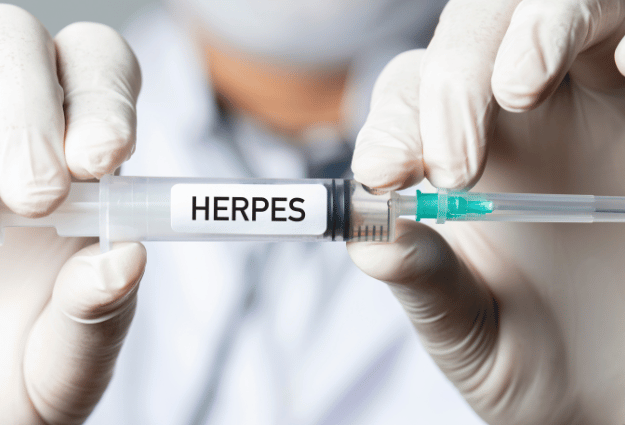
First Episode Management
The initial outbreak of genital herpes is often the most severe and may last 2-4 weeks if left untreated. During this time, patients may experience multiple painful lesions, flu-like symptoms, and significant discomfort.
Treatment recommendations for first episodes typically include:
- Higher doses of antiviral medications for 7-10 days
- Pain management with over-the-counter pain relievers
- Keeping the affected area clean and dry
- Wearing loose-fitting clothing to reduce irritation
- Applying cool compresses to soothe affected areas
- Urinating in a warm bath or shower if urination is painful
Recurrent Outbreak Management
Recurrent outbreaks are typically less severe and shorter in duration than the initial episode. Many patients experience warning signs (prodrome) before visible lesions appear, such as tingling, burning, or itching in the genital area. Starting antiviral treatment during this prodromal phase can significantly reduce the severity and duration of the outbreak.
For those experiencing frequent herpes outbreaks, our doctors can help determine if you’re a candidate for ongoing prescription management to keep your condition under control.
Suppressive Therapy for Long-Term Management
For individuals with frequent or severe recurrences, suppressive therapy offers several advantages:
- Reduced Outbreak Frequency: Daily medication can reduce outbreaks by up to 80%
- Decreased Transmission Risk: Suppressive therapy reduces (but doesn’t eliminate) the risk of transmitting the virus to partners
- Improved Quality of Life: Many patients report less anxiety and better psychological well-being with suppressive treatment
According to Mayo Clinic, candidates for suppressive therapy typically include those with:
- Six or more outbreaks per year
- Particularly severe or painful outbreaks
- Significant emotional distress related to recurrences
- Sexual relationships with uninfected partners
It’s important to note that even with suppressive therapy, there remains a possibility of asymptomatic viral shedding, during which the virus can be transmitted without visible symptoms. For this reason, preventive measures like condoms remain important even during periods without symptoms.
Lifestyle Modifications and Home Remedies

In addition to antiviral treatment, several lifestyle modifications can help manage genital herpes:
During Outbreaks:
- Keep the affected area clean and dry
- Wear loose, comfortable clothing to prevent irritation
- Apply cool compresses to soothe discomfort
- Take warm baths to relieve pain
- Use over-the-counter pain relievers like acetaminophen or ibuprofen
For Prevention:
- Identify and avoid personal triggers (stress, illness, menstruation)
- Maintain a healthy immune system through proper nutrition, adequate sleep, and regular exercise
- Practice stress reduction techniques, as stress can trigger outbreaks
- Use barrier protection like condoms to reduce transmission risk (though they don’t provide complete protection)
When to Seek Medical Help
While genital herpes is manageable, certain situations warrant prompt medical attention:
- First-time symptoms of genital herpes
- Severe or prolonged outbreaks
- Frequent recurrences that interfere with quality of life
- Herpes symptoms during pregnancy
- Symptoms that don’t respond to treatment
- Pain or difficulty urinating
- High fever or signs of secondary infection
Our experienced healthcare providers can evaluate your symptoms, provide an accurate diagnosis, and develop a personalized treatment plan that addresses your specific needs.
Frequently Asked Questions About Genital Herpes
How is genital herpes spread?
Genital herpes spread occurs through direct skin-to-skin contact with an infected area, typically during vaginal, anal, or oral sex. The virus can be transmitted even when no visible symptoms are present through asymptomatic shedding. Condoms reduce but don’t eliminate the risk of transmission since they may not cover all affected areas.
Can I transmit genital herpes to my sexual partners when I don’t have symptoms?
Yes, asymptomatic shedding means the virus can be transmitted without visible signs of an outbreak. Studies show that most genital herpes transmission occurs during periods without symptoms. Using barrier protection and considering suppressive antiviral therapy can help reduce this risk.
What’s the difference between genital herpes transmission and other sexually transmitted diseases?
Unlike some sexually transmitted diseases that can be transmitted through bodily fluids, genital herpes transmission requires direct contact with affected skin. However, the risk of acquiring HIV infection increases in those with genital herpes, as the sores provide entry points for the HIV virus.
How can I prevent spreading genital herpes to my partner?
To reduce the risk of spreading genital herpes:
- Abstain from sexual contact during outbreaks
- Use condoms consistently during sexual activity
- Consider suppressive antiviral therapy
- Discuss your status openly with sexual partners
- Be aware that suppressive antiviral therapy reduces but doesn’t eliminate transmission risk
How do recurrent outbreaks differ from the first episode?
Recurrent outbreaks are typically shorter (3-7 days versus 2-4 weeks), less severe, and often preceded by warning symptoms. The number of lesions and systemic symptoms like fever are usually less pronounced during recurrent genital herpes outbreaks compared to the initial infection.
Should pregnant women with genital herpes take special precautions?
Yes, pregnant women with genital herpes should inform their obstetrician about their infection status. Neonatal herpes can cause serious complications in newborns. Doctors often prescribe suppressive antiviral therapy during the last weeks of pregnancy to reduce the risk of an outbreak during delivery. In some cases, a cesarean section may be recommended if active lesions are present at the time of delivery.